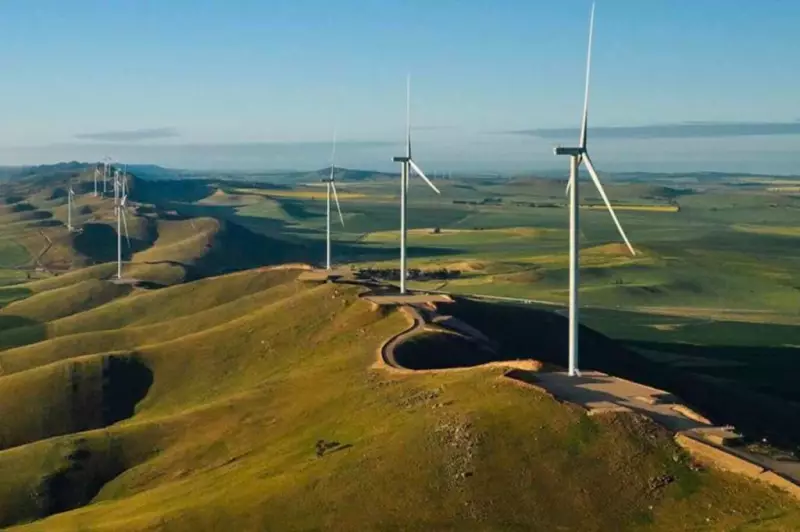
South Australia is confidently charting its course towards a net zero future, with fresh analysis revealing the state is not only on track but ahead of schedule to meet its ambitious 2050 target. This progress comes despite a wave of earlier, more catastrophic forecasts about the economic and technical challenges of the transition.
Renewables Lead the Charge Beyond Expectations
The state's remarkable journey is being powered by its world-leading adoption of renewable energy. Wind and solar now consistently supply over 70% of South Australia's electricity, a figure that was once considered a distant dream. This rapid deployment has effectively silenced critics who warned of blackouts and economic ruin.
Key to this success has been significant investment in grid-scale batteries and interconnectors, which have stabilised the network and allowed excess clean power to be shared. The state government's proactive policy settings have created a fertile environment for private investment, turning potential energy crises into export opportunities.

Hydrogen and Industry: The Next Frontier
While electricity generation is the headline story, the focus is now shifting to harder-to-abate sectors. The government's strategy heavily features the development of a green hydrogen industry, seen as crucial for decarbonising heavy transport, manufacturing, and mining.
Major projects, like the multi-billion dollar hydrogen hub planned for Whyalla, are moving from the drawing board to early construction phases. "Our targets are ambitious, but they are grounded in real, deployable technology," a state government spokesperson stated, highlighting the practical roadmap beyond mere aspiration.
Data Defies the Doomsayers
Recent modelling, commissioned by the state's Department for Energy and Mining, presents a starkly different picture from the catastrophic forecasts of just a few years ago. The data indicates that emissions reduction trajectories are not only achievable but could deliver a net economic benefit through job creation in new industries and reduced reliance on imported fossil fuels.
This positive outlook contrasts sharply with earlier warnings from some industry groups and political opponents, who predicted skyrocketing power prices and job losses. The current evidence suggests the transition, while complex, is manageable and already yielding dividends in energy security and price moderation during periods of high renewable output.
The state's progress serves as a compelling case study for the national net zero debate, demonstrating that with coordinated policy, investment, and innovation, seemingly daunting climate targets can be transformed into tangible action and economic opportunity.