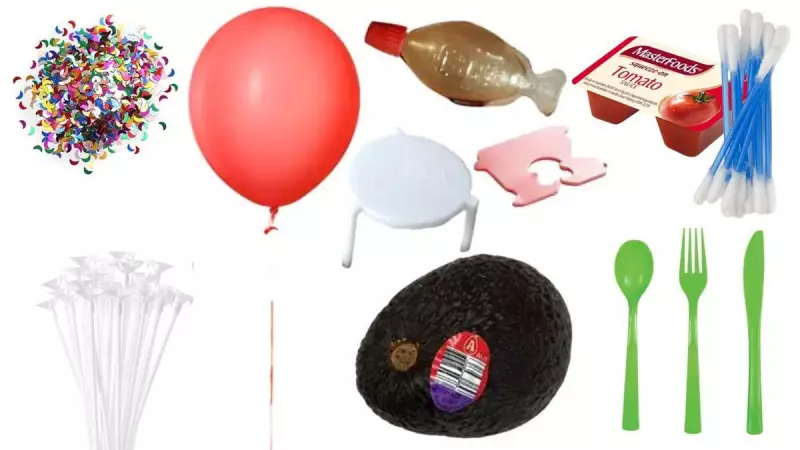
Australians are about to witness the disappearance of some of the most familiar small plastic items from daily life, as state governments implement a sweeping series of bans and phase-outs starting in 2026. Beloved yet problematic icons like the fish-shaped soy sauce bottle, the humble bread bag clip, and the tiny 'pizza table' are all slated for removal under a nationwide crackdown on hard-to-recycle plastics.
The National Roadmap for a Plastic-Free Future
The changes are driven by a federal government strategy targeting what it deems "problematic and unnecessary" plastics. New South Wales Environment Minister Penny Sharpe highlighted the urgency, stating, "Microplastics are entering our bodies and plastic is polluting our environment and oceans." The scale of the problem is immense, with over 800,000 tonnes of plastic going to landfill in NSW alone each year.
The proposed bans extend far beyond the well-known items. The national list, which aims for harmonised action across states, includes 24 priority items for phase-out:

- Expanded polystyrene (EPS) food trays and cups
- Single-serve condiment containers (like the soy sauce fish)
- Non-compostable produce stickers on fruit and vegetables
- Plastic bread tags and cotton buds with plastic stems
- Balloon releases and associated plastic sticks and ties
- Pizza savers, plastic cutlery, straws, plates, and stirrers
- Lightweight and heavyweight plastic bags
The roadmap sets the direction, but each state is implementing changes at its own pace, with most major phase-outs scheduled between 2026 and 2030.
State-by-State Rollout: Who is Banning What and When
South Australia continues to lead the charge, having already banned the iconic sub-30ml soy sauce fish bottle since September 2025. The state has also phased out plastic pizza savers, balloon sticks, and attached cutlery and straws. A planned ban on non-compostable fruit stickers was paused for further industry consultation.
New South Wales is taking a comprehensive approach with its Plastics Plan 2.0. Key dates include the phase-out of bread tags and pizza savers from late 2027, followed by non-compostable produce stickers and small condiment containers. An 18-month transition period will help businesses adapt. The state is also pushing for tethered bottle lids and redesigning items like sushi trays for recyclability. Notably, the release of helium balloons will be banned from next year, though enforcement is acknowledged as challenging.
Innovation is emerging alongside regulation. Masterfoods has developed a credit card-sized, paper-based alternative to its classic plastic sauce packet for pies and sausage rolls. A company representative said transitioning their entire portfolio could save around 190 tonnes of plastic annually.
Victoria will extend its existing bans on items like straws and cutlery from January 1, 2026, to include these items when pre-attached to food and drink packaging. The state also bans so-called compostable plastic alternatives, citing they can still harm wildlife if littered.
Queensland is ending exemptions for attached straws and cutlery from January 1, 2026, and is expected to align with national bans on fruit stickers and balloon releases in the coming years.
Western Australia will further restrict plastic barrier bags for meat and dairy from October 1, 2026, and plans to adopt nationally-aligned bans from 2026 onwards.
Tasmania, the Australian Capital Territory, and the Northern Territory have all signed on to the national harmonisation framework and are expected to introduce phased bans on the priority items, though specific timelines are still being developed.
Nostalgia Meets Necessity in the Fight Against Waste
The farewell to these tiny plastic staples will evoke nostalgia for many Australians who have used bread tags to repair thongs or collected soy sauce fish from sushi takeaways. On social media, some have joked about stockpiling bread tags for a "black market" in thong repairs.

However, environmental groups argue the shift to reusable, recyclable, or compostable alternatives is long overdue. Governments maintain that industry has had years of warning to adapt. As these small but symbolic pieces of plastic exit circulation, they mark a significant step in Australia's broader effort to tackle plastic pollution and protect its unique environment for future generations.