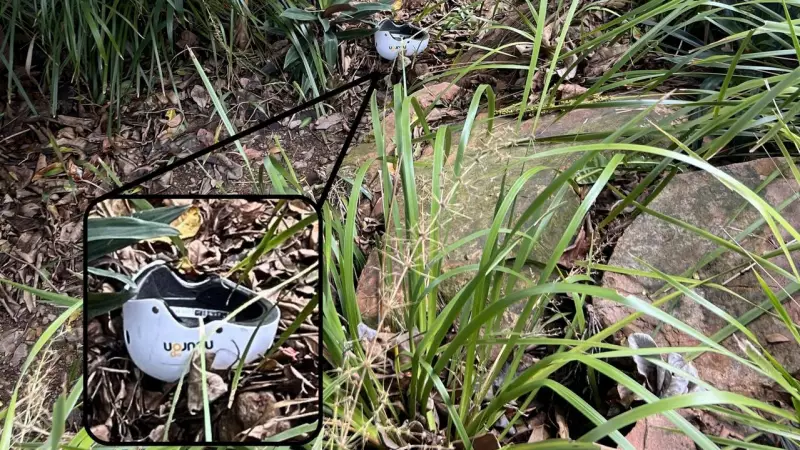
Streets and parks across Townsville are becoming dumping grounds for bright orange helmets, discarded from Neuron e-scooters, creating an eyesore and sparking significant community concern.
A Growing Problem of Orange Litter
Residents and local representatives have reported seeing the distinctive helmets left in gutters, on footpaths, and tangled in bushes. The issue appears to be concentrated in popular areas like The Strand and the city centre, where the shared e-scooters are frequently used.
Local councillor Ann-Maree Greaney has been vocal about the problem, stating she receives daily complaints. She highlights that the helmets, which are supposed to be taken by users for safety, are instead being treated as disposable items, leading to widespread litter.

"They're ending up in people's yards, they're ending up in the river, they're ending up on the footpath where people are tripping over them," Cr Greaney said. The situation raises immediate tripping hazards and contributes to the city's pollution woes.
Safety and Environmental Consequences
The core of the issue lies in the mandatory helmet law for e-scooter riders in Queensland. Neuron provides helmets with each scooter to ensure rider compliance, but there is no system to ensure they are returned.
This has led to a cycle where helmets are taken, used, and then discarded by riders who do not want to carry them after their trip. The abandoned helmets then become unusable for the next rider, potentially encouraging people to ride without safety gear, which is both illegal and dangerous.
Beyond safety, the environmental impact is mounting. The helmets, made from plastic and foam, are not biodegradable. When left in waterways or parks, they break down into microplastics, harming local wildlife and ecosystems. This contradicts the green image often promoted by shared micromobility companies.
Neuron's Response and Community Calls for Action
In response to the criticism, a spokesperson for Neuron Mobility acknowledged the issue. The company stated that helmet litter is a "industry-wide challenge" and emphasised that they conduct daily collections to retrieve abandoned helmets across their operating areas.
Neuron also pointed to its education efforts, including in-app messages reminding users not to litter and to report damaged helmets. However, critics argue that collection is a reactive measure and that the design of the service needs to change to prevent the problem at its source.
Community leaders are calling for more robust solutions. Suggestions include implementing a financial incentive system, such as a small discount for users who properly dock the helmet with the scooter, or exploring technological fixes like helmet locks. The ultimate goal is to shift user behaviour and make riders accountable for the equipment they use.
The clutter of orange helmets in Townsville serves as a visible reminder of the unintended consequences of rapid technological adoption. For shared e-scooter schemes to be sustainable long-term, companies and councils must work together to solve this persistent litter issue, ensuring both public safety and environmental responsibility are upheld.