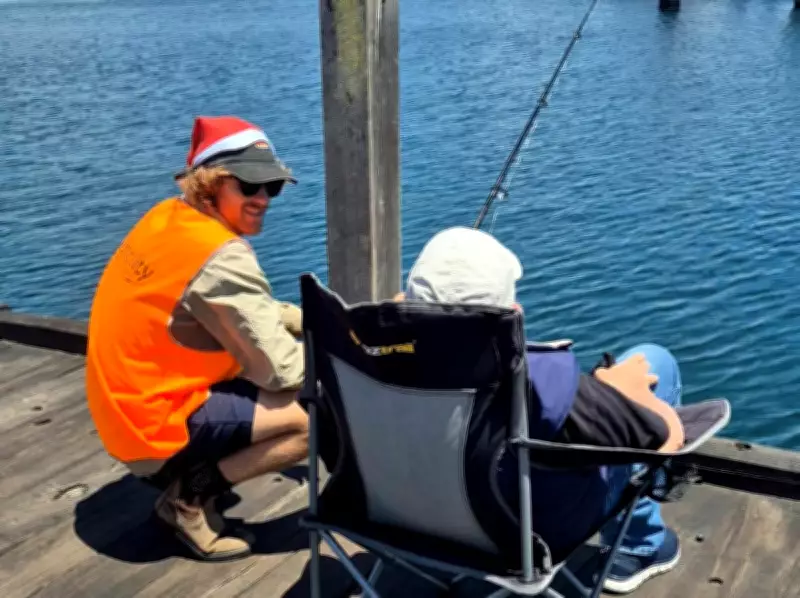
Murdoch Scientist Casts Inclusive Net for Disability Fishing Access
A dedicated marine scientist from Murdoch University is transforming recreational fishing into an inclusive therapeutic experience, ensuring people with disabilities can access the profound wellbeing benefits of ocean engagement through innovative partnership programs.
Bridging Science and Community Through Fishing
PhD candidate Kurt Krispyn has forged a significant collaboration with Western Australia's not-for-profit organisation Fishability — Fishers with Disabilities — to advance his mission of making outdoor nature experiences genuinely accessible to all community members regardless of physical limitations.
Fishability operates comprehensive fishing programs that provide the therapeutic joys and recreational benefits of angling to everyone, offering organised shore-based, jetty, and boat fishing experiences equipped with motorised equipment and specially designed wheelchair-accessible vessels.

Mr Krispyn actively participates in Fishability fishing outings, where he shares his marine research expertise with participants while offering valuable companionship and practical support during these inclusive aquatic adventures.
Therapeutic Ocean Connections Beyond Research
"Fishability performs incredible work creating inclusive, therapeutic outdoor experiences for people who might otherwise struggle to access such meaningful nature engagement," Mr Krispyn explained.
"As a marine scientist, I witness firsthand how powerful connection to the ocean and natural environments can be for mental and physical wellbeing. The dynamic nature of marine environments creates unique therapeutic opportunities."
The researcher emphasised that scientists and science communicators have a responsibility to extend their knowledge beyond traditional laboratories and academic papers to create tangible community impact through inclusive experiential programs.
"The ocean and outdoor environments constantly change, so when we immerse ourselves there, we become genuinely excited, captivated, and focused in the present moment," he elaborated. "This immersive experience helps transform thought patterns, encourages different perspectives, and generates authentic joy."
Transforming Lives Through Accessible Angling
Mr Krispyn observed this transformative impact clearly during Fishability excursions, recalling one fisherman's emotional testimony about how disability had initially prevented him from enjoying his cherished pastime.
"He described the tremendous enjoyment he experiences fishing with Fishability — whether catching fish or not became irrelevant to his satisfaction," Mr Krispyn shared. "But when he successfully caught a fish, his entire being illuminated with excitement — smiling broadly, laughing heartily, fist-pumping enthusiastically, and exchanging celebratory high-fives."
"Witnessing that genuine excitement demonstrated how profoundly important and impactful this inclusive program truly is for participants' quality of life and emotional wellbeing."
Expanding Access Across Western Australia
Beyond his direct involvement, Mr Krispyn has been actively fundraising for a new Fishability program in the Pilbara region, complementing existing successful programs operating in Albany, Bunbury, Busselton, Geraldton, Mandurah, and metropolitan Perth.
His fundraising efforts have generated impressive results, with more than $4000 raised through participation in the Busselton Iron Man competition, supplemented by a generous donation of $1000 worth of specialised fishing equipment from Whitey's Tackle and Camping.
Science Communication Through Multiple Channels
Mr Krispyn further extends his science communication efforts through his podcast Paramount Importance, where he interviews scientists across diverse disciplines about environmental stewardship and community engagement.
"The overarching goal has consistently been inspiring people to enjoy and actively care for their natural environment — helping them feel genuinely connected as integral participants within ecological systems," he affirmed.

"We should cultivate harmonious relationships with our environment, and absolutely nobody should face barriers preventing them from accessing these vital natural spaces and therapeutic experiences."