Great Barrier Reef's Vibrant Colours Studied as Key to Surviving Bleaching
In a groundbreaking development for marine conservation, researchers are focusing on the Great Barrier Reef's vibrant colours as a potential key to surviving coral bleaching events. This new study, conducted by scientists in Queensland, Australia, explores how the reef's vivid hues might enhance its resilience against the devastating impacts of climate change.
Understanding Coral Colours and Bleaching
Coral bleaching occurs when corals, stressed by factors such as rising sea temperatures, expel the symbiotic algae that give them colour and nutrients. This process turns the corals white and can lead to their death if conditions do not improve. The Great Barrier Reef, a UNESCO World Heritage site, has experienced severe bleaching episodes in recent years, threatening its biodiversity and ecological balance.
Scientists are now investigating whether the reef's natural vibrant colours, produced by pigments and fluorescent proteins, could play a role in protecting corals during these stressful times. Early findings suggest that certain colourations may help corals reflect excess light or heat, reducing stress and potentially slowing the bleaching process.

Research Methods and Findings
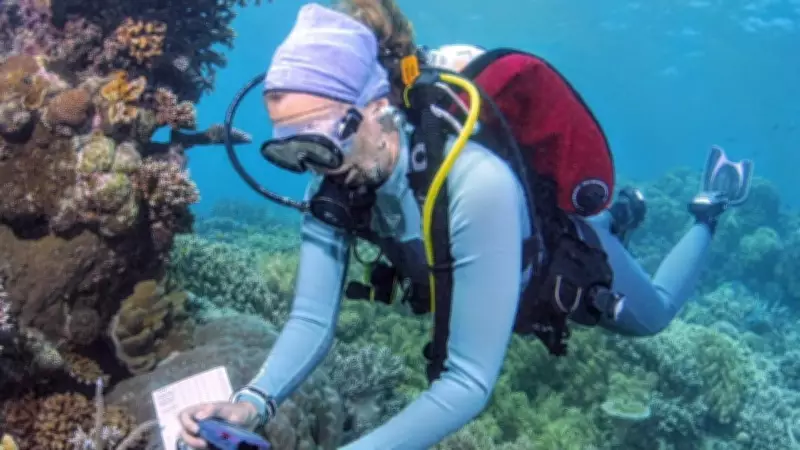
The study involves detailed observations and experiments on coral colonies in the Port Douglas region of the Great Barrier Reef. Researchers are using advanced imaging techniques to analyse colour patterns and their correlation with bleaching resistance. Preliminary data indicates that corals with brighter and more diverse colours might have higher survival rates during bleaching events.
This research builds on previous work that highlighted the importance of coral genetics and environmental adaptations. By understanding how colours contribute to resilience, scientists hope to develop new strategies for reef conservation, such as identifying and protecting more resilient coral species or enhancing natural colour traits through selective breeding.
Implications for Reef Conservation
The findings could have significant implications for global efforts to protect coral reefs from climate change. If vibrant colours are proven to aid survival, conservationists might prioritise areas with colourful corals for protection or restoration projects. Additionally, this knowledge could inform broader marine management practices, helping to safeguard the Great Barrier Reef and other reefs worldwide.
However, experts caution that while colour may be a factor, addressing the root causes of bleaching, such as reducing greenhouse gas emissions and improving water quality, remains critical. The study underscores the need for a multifaceted approach to reef conservation, combining scientific innovation with policy action.
Future Directions and Hope for the Reef
Looking ahead, researchers plan to expand their studies to other parts of the Great Barrier Reef and compare findings with reefs in different regions. This could provide a more comprehensive understanding of how colour influences coral health across various environments. The ultimate goal is to use this knowledge to bolster reef resilience and ensure the long-term survival of these vital ecosystems.
In conclusion, the study of the Great Barrier Reef's vibrant colours offers a glimmer of hope in the fight against coral bleaching. By unlocking the secrets of these natural hues, scientists are paving the way for innovative conservation methods that could help preserve one of the world's most iconic natural wonders for future generations.