Marine Expert Urges $20,000 Drone Technology to Prevent Shark Attacks
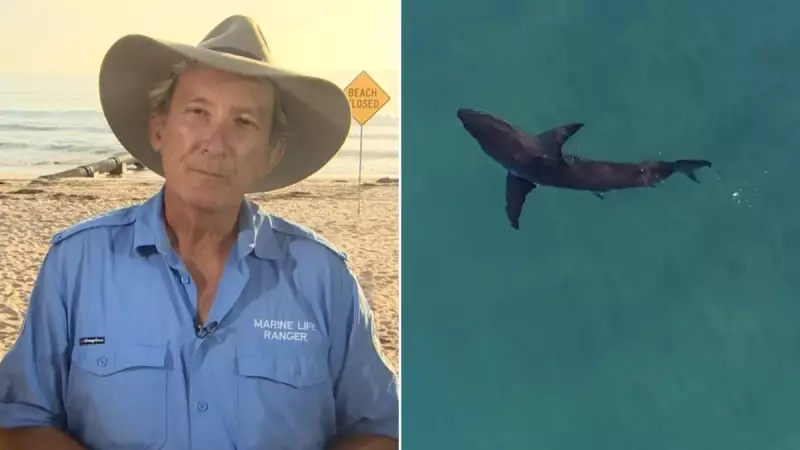
A senior marine life ranger has issued a stark warning that shark attacks could be significantly reduced using automated drone technology, with systems available for as little as $20,000. David ‘Sharky’ Baxter made the urgent call for upgrades to shark safety measures during a recent television appearance, highlighting a series of four attacks in recent days that have left two victims in critical condition.
Existing Technology Could Save Lives
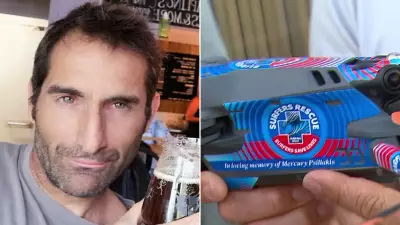
Baxter emphasised that the necessary technology to prevent these dangerous encounters already exists, yet remains underutilised. He described automated "drone in a box" systems designed to patrol coastal areas, scanning for shark-like shapes and alerting swimmers hours before lifeguards begin their shifts.
"This system could be established without requiring constant human operation," Baxter explained. "It can be programmed to launch autonomously, follow predetermined grid patterns, and identify specific shapes, ideally those of sharks. Upon detection, it could hover above the target and activate an onboard alarm system."

The marine ranger expressed frustration that this advanced capability has not been implemented, stating we possess a clear duty of care to protect early morning swimmers and surfers.
Practical Implementation and Support
While acknowledging that automated drones cannot eliminate all shark incidents, Baxter believes they represent a substantial step forward in prevention strategies. He envisions mobile drone base stations deployed at every beach, programmed and operational to enhance safety.
In seeking financial and technical support, Baxter has contacted high-profile entrepreneur Elon Musk, who leads Tesla, SpaceX, and X. "If humanity can achieve lunar and Martian missions, we certainly can collaborate to develop and deploy this drone technology effectively," he asserted.
Recent Sydney Incidents Highlight Urgency
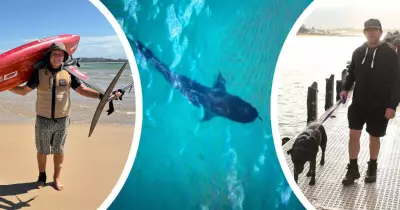
The push for technological advancement coincides with alarming reports of a massive 200-kilogram male bull shark captured near Camp Cove Beach in Sydney Harbour. Baxter noted this proximity to shore is unsurprising, particularly during the current season when bull sharks frequent estuaries.
"Sydney Harbour's waters remain murky with debris, lacking the thorough tidal flushing needed for clarity," he observed. "This environment naturally attracts these predators closer to popular swimming areas."
Safety Recommendations for the Long Weekend
With experts concerned that bull sharks may linger near shorelines throughout the Australia Day long weekend, Baxter issued crucial safety advice:
- Boaters should refrain from discarding food scraps overboard, as this can attract sharks.
- Swimmers are urged to avoid murky or unclear waters where visibility is limited.
- Beachgoers should remain vigilant and heed local warnings and signage.
The integration of affordable drone technology represents a proactive approach to marine safety, potentially transforming how communities manage shark risks along Australia's coastline.