A prominent public transport advocate in the nation's capital has issued a stark call for a major funding re-think, arguing the ACT government's spending on active travel pales in comparison to its investment in light rail.
The Funding Imbalance in Canberra's Transport Budget
The Chair of the Canberra Public Transport Association recently highlighted the inherent challenges of relying solely on road-based transport. The comments have sparked a fresh debate about how the territory allocates its substantial transport budget.
This year, the ACT government is pouring $320 million into transport initiatives. A significant portion, $131 million, is dedicated to the light rail network. In contrast, combined walking and cycling infrastructure will receive just $20 million.

Leon Arundell from Downer contends this disparity is difficult to justify. He points out that non-road-based modes like walking and cycling already play a crucial role in the city's mobility.
Health Benefits and Current Usage Underscore Value
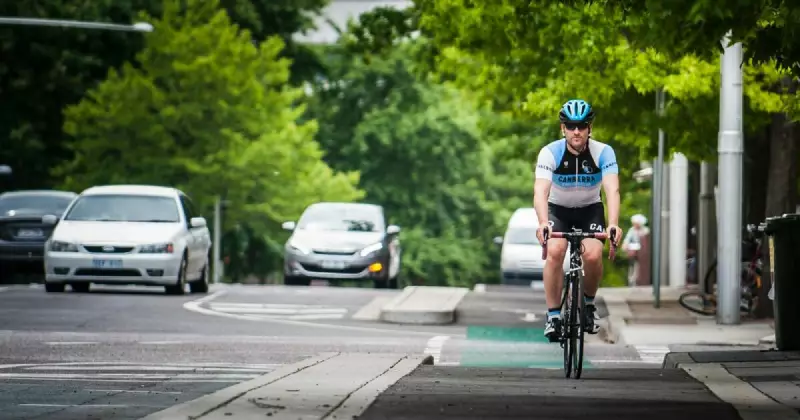
The data reveals active travel's significant, yet often undervalued, contribution. Walking and cycling account for 21 per cent of all trips taken in Canberra, covering 3.5 per cent of the total distance travelled. Light rail, by comparison, facilitates less than 1 per cent of trips and 1 per cent of distance travelled.
Perhaps the most compelling argument for increased investment lies in the public health arena. Mr Arundell states that walking and cycling generate approximately $600 million worth of exercise-related health benefits for Canberrans each year. This translates into substantial savings for the territory's health system, easing pressure on the budget.
A Call for a Healthier Transport Future
The central argument put forward is that the government has the capacity to significantly boost funding for "healthy non-road-based" transport options. With proven benefits for congestion, public health, and the environment, advocates believe prioritising walking and cycling infrastructure is a logical step for a forward-thinking city.
This push for active travel comes amidst broader community discussions about Canberra's growth, sustainability, and how its urban design can better serve residents' health and mobility needs for decades to come.