The significant traffic disruption that hit Canberra as workers returned after the holidays has largely subsided, following initial chaos caused by the suspension of light rail services.
From Gridlock to Gradual Improvement
The suspension came into effect on Monday morning, January 12, 2026, and immediately created major headaches for commuters. Replacement buses filled to capacity, leaving many unable to board during the peak of the morning rush.
However, by Tuesday and Wednesday, the situation along the busy north Canberra transport corridor showed marked improvement. Commuters reported being able to catch buses into the city centre without the significant delays and overcrowding experienced on the first day.

Officials and Commuters Label it a 'Hiccup'
Amy Jelacic, Chair of the Public Transport Association of Canberra, stated the transport network had settled down "considerably" since the start of the week. "I have heard a lot of people now say that that is being managed a lot better, more vehicles are on, and I think that flow is being managed a bit better," Dr Jelacic said.
She acknowledged the "day-one teething problems," but expressed confidence that CMET and Transport Canberra were doing their best to manage the situation. On the ground, passengers echoed this sentiment, with several describing the initial mess as "a hiccup." One commuter noted that a double-decker bus running between MacArthur Avenue and Dickson on Tuesday afternoon carried only about 15 people, a stark contrast to Monday's scenes.
Why the Light Rail Was Suspended
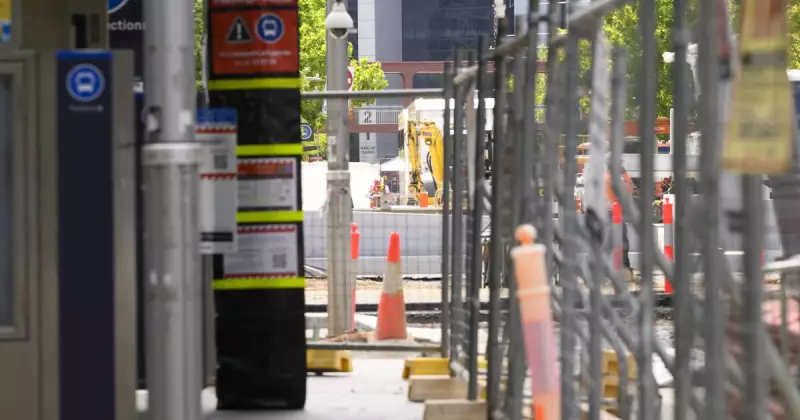
The light rail network has been temporarily shut down to allow construction crews to connect the existing line to the Stage 2A extension running to Commonwealth Park. An ACT government spokesperson said the work was deliberately scheduled for January to minimise disruption, as traffic volumes are typically lower during the summer period.
Dr Jelacic challenged the old notion of January being a "dead month" in Canberra, noting that many people now return to work over summer and major events like Summernats draw large crowds. "We're a modern city, with people working at all times of the year," she remarked.
The government spokesperson detailed that rail replacement buses were scheduled at roughly double the frequency of regular light rail services, with one arriving approximately every 2.5 minutes. While each bus has about a third of the capacity of a light rail vehicle, the increased frequency was intended to meet customer demand.
Dr Jelacic concluded that the week's events highlighted the critical importance of high-capacity public transport on the Gungahlin-to-city route. "We can see some of the challenges when we're just relying on road-based transport to move the number of people coming down in that direction and back up again," she said.