The debate over Western Australia's marine parks and fishing access has reached a critical juncture, demanding a pragmatic compromise that serves the state's diverse stakeholders. The current policy framework, which often pits recreational fishers against conservationists and commercial operators, is failing to deliver a sustainable future for WA's precious coastal waters.
The Current Impasse and Its Consequences
For years, the management of WA's marine environment has been characterised by conflict and entrenched positions. The state government's approach has frequently resulted in a binary choice: either lock up vast areas of ocean in marine parks, severely restricting fishing, or leave them open with minimal protection. This all-or-nothing strategy has created winners and losers, fostering resentment and hindering the development of a cohesive, long-term vision.
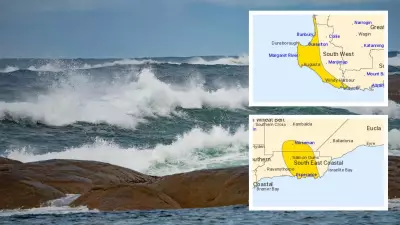
The recent controversy surrounding the proposed West Coast Marine Park is a prime example. Initial plans suggested closing a staggering 4000 square kilometres to fishing, a move that sparked immediate and fierce opposition from the recreational fishing community. While the government later revised this figure down, the episode highlighted a deep-seated mistrust and a process perceived as exclusionary. Such top-down decisions risk alienating the very people who are often the first to report environmental changes and who have a vested interest in healthy fish stocks.

A Blueprint for a Collaborative Future
A new path forward is not only possible but essential. The solution lies in moving beyond the zero-sum game and embracing a model of integrated management. This requires acknowledging the valid concerns of all parties: the conservation imperative to protect biodiversity, the social and economic value of recreational fishing, and the needs of sustainable commercial fishing industries.
Firstly, marine park zoning must become more sophisticated. Instead of blanket closures, zoning should employ a mosaic of management tools. This can include:
- Sanctuary zones (no-take areas) in critical breeding and nursery habitats or areas of high biodiversity.
- Habitat protection zones that allow for low-impact recreational fishing while prohibiting destructive commercial methods.
- General use zones that support both recreational and carefully managed commercial fishing.
This nuanced approach recognises that different areas have different ecological and social values. Furthermore, the policy development process itself must be overhauled. Genuine co-design with stakeholders—including fishing groups, conservation scientists, and traditional owners—from the outset is crucial. Decisions must be transparent and based on the best available science, not political expediency.
Economic, Social, and Environmental Imperatives
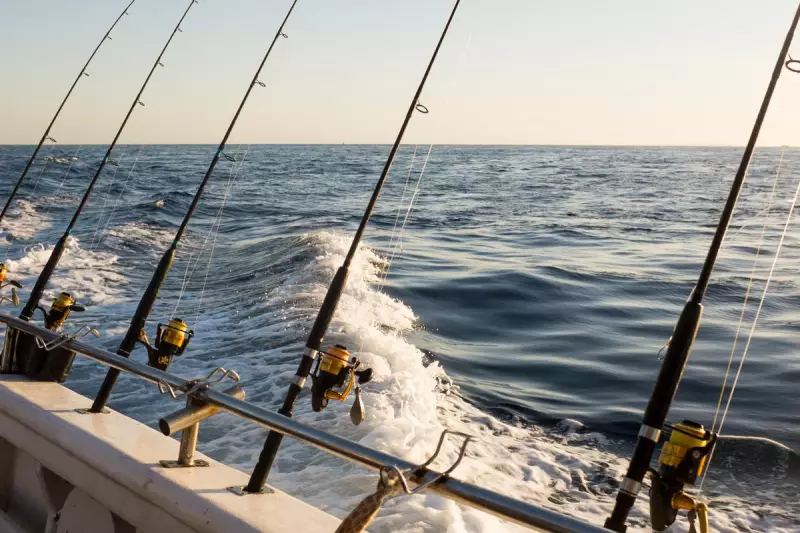
The stakes for getting this policy right are extraordinarily high. Recreational fishing is a cornerstone of the Western Australian lifestyle and a significant economic driver, contributing hundreds of millions of dollars annually to regional communities through tourism, tackle sales, and boat manufacturing. It provides immeasurable social and mental health benefits to tens of thousands of families.
Conversely, the health of our marine ecosystems is non-negotiable. Marine parks are a vital tool for safeguarding biodiversity, building resilience against climate change, and ensuring fish stocks for future generations. The goal is not to stop fishing but to ensure it remains sustainable forever. A well-designed network of marine protected areas can act as an insurance policy, supporting fish populations that can spill over into adjacent areas where fishing is permitted.
The call for compromise is not a sign of weakness but of strength and maturity. It is an acknowledgment that the complex challenge of managing our shared marine estate cannot be solved by one group dominating another. The government, led by relevant ministers, must facilitate this dialogue and be willing to move from a position of control to one of collaboration. The future of WA's iconic coasts, from the Kimberley to the South Coast, depends on a fishing policy that works for the environment, the economy, and the community.