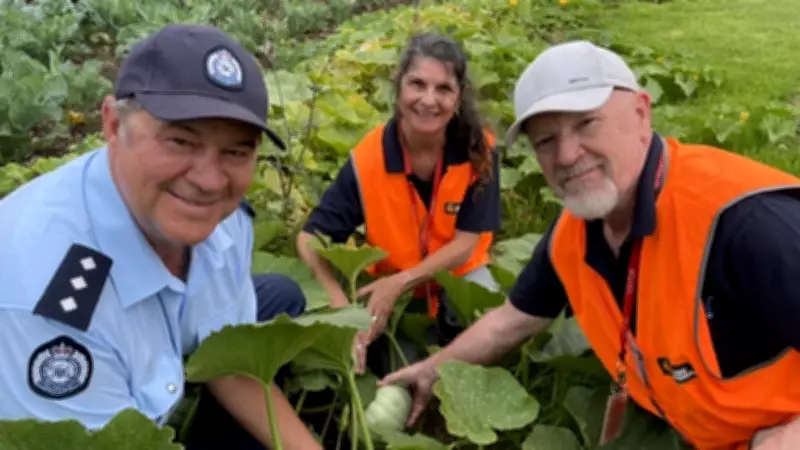
Inmates Cultivate Hope: Prison Garden Feeds Struggling Families
In a heartwarming initiative at Marngoneet Correctional Centre in Victoria, prisoners are turning their hands to gardening, cultivating fresh produce behind bars to support struggling families in the local community. This innovative program not only addresses food insecurity but also provides inmates with valuable skills and a sense of purpose, fostering rehabilitation and positive change.
Growing Fresh Produce for Community Support
The prison garden at Marngoneet Correctional Centre is yielding a bounty of vegetables and fruits, including tomatoes, lettuce, carrots, and herbs. Inmates involved in the program learn sustainable farming techniques, from planting seeds to harvesting crops, under the guidance of staff and volunteers. The produce is then donated to local charities and food banks, which distribute it to families facing financial hardship and food shortages in the Geelong and broader Victorian regions.
This effort comes at a critical time, as many households grapple with rising living costs and economic pressures. By providing fresh, nutritious food, the program helps alleviate some of the burden on vulnerable communities, ensuring that no one goes hungry. The initiative has been praised for its dual impact: supporting those in need while offering inmates a constructive outlet and the chance to contribute positively to society.

Fostering Rehabilitation and Skill Development
Beyond the immediate benefit of food donations, the prison garden program plays a crucial role in inmate rehabilitation. Participants gain hands-on experience in horticulture, learning about soil management, irrigation, and organic farming practices. These skills can be valuable upon release, potentially leading to employment opportunities in agriculture or related fields, and reducing the likelihood of reoffending.
Moreover, the program promotes mental well-being and personal growth among inmates. Engaging in gardening activities has been shown to reduce stress, improve mood, and instill a sense of accomplishment. By taking responsibility for nurturing plants and seeing the tangible results of their labor, inmates develop empathy, teamwork, and a renewed sense of self-worth, which are essential for successful reintegration into society.
Community and Government Support
The initiative has garnered support from local organizations, government agencies, and community members who recognize its positive outcomes. Partnerships with charities ensure that the produce reaches those most in need, while collaborations with educational institutions provide additional training and resources for the program. This collective effort highlights the power of community-driven solutions to address social issues like food insecurity and prisoner rehabilitation.
Looking ahead, there are plans to expand the garden and involve more inmates, potentially increasing the volume of produce donated. Such expansions could further enhance the program's impact, offering more support to families and more opportunities for inmates to learn and grow. This model of using prison resources for community benefit is being considered as a template for similar programs in other correctional facilities across Australia.
In summary, the Marngoneet Correctional Centre's garden program is a shining example of how innovative approaches can transform challenges into opportunities. By feeding struggling families and fostering inmate rehabilitation, it demonstrates that even behind bars, seeds of hope can be sown to cultivate a brighter future for all involved.