One month after Australia's deadliest terror attack, the nation's Jewish community continues to navigate a landscape of profound grief and heightened fear. The horrific events of December 14, when two gunmen opened fire on a Hanukkah celebration at Sydney's Bondi Beach, claiming 15 lives and injuring dozens, have left deep and lasting scars.
A Community Grappling with Trauma and Fear
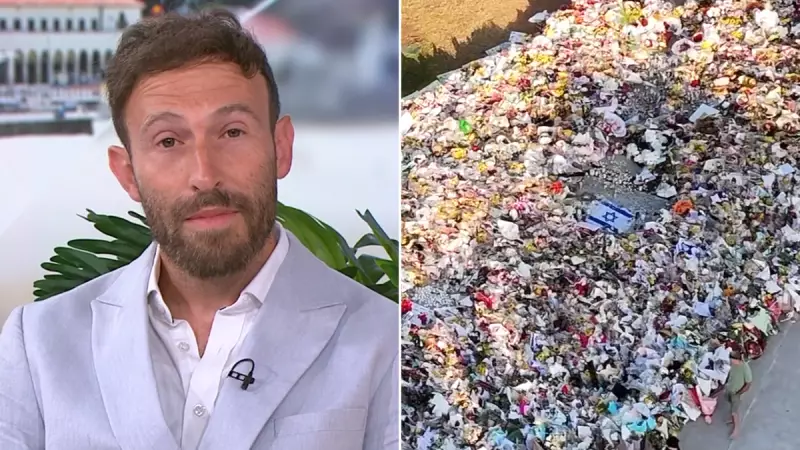
Rabbi Yossi Friedman has spoken openly about the ongoing trauma, describing the past weeks as "the most difficult month that we've ever, ever experienced." The process of coming to terms with the scale of the tragedy remains ongoing for many. As schools prepare to reopen, difficult conversations are unfolding in homes across the community, with children asking their parents the heartbreaking question: Are we going to be safe?
Rabbi Friedman advocates for honesty with children, explaining, "We sit them down and say that, you know, this happened, but you will be safe. We're going to make sure that there's enough security at our schools." This incident is not an isolated one for Australian Jews, who have endured a tough few years marked by graffiti attacks, firebombings of synagogues, and threats to daycare centres.

Security as the 'New Norm' and a Call for Understanding
The rabbi noted that heightened security is far from new for Jewish institutions. Private security guards and a police presence have become standard at schools and synagogues over the past two years. He observed that children now walk past armed guards daily, often not noticing them because "it's just part of the norm." This reality underscores a central plea from the community: "The Jewish community just wants to be seen, just wants to be heard," Friedman said. "We're everyday Australians and we want to live as everyday Australians and live in safety."
In the attack's aftermath, the community has been vocal in demanding action against root causes. Following sustained pressure from victims' families, Prime Minister Anthony Albanese announced a Royal Commission into anti-Semitism. Rabbi Friedman supports the inquiry but expressed sadness that grieving families had to fight for it. "When something this tragic happens, there has to be an inquiry at the highest possible levels," he stated.
Honouring the Victims and a Plea for National Unity
Rabbi Friedman, who lost close friends in the attack, has spent each day of the past month at Bondi honouring the victims. He began reading their names aloud the day after the tragedy to emphasise they were real locals, a practice he continues. "Each one of them was a beacon of light," he said.
He believes the response to the atrocity has revealed the best of Australia, with people of all backgrounds coming together. "If we saw the worst of Australia on that horrific Sunday, going from there, we've seen the best of Australia," Friedman reflected. He issued a powerful call for this moment to be a national turning point: "This has to be a turning point for our country, that we need to stay together... We're one big family, and we need to stay together and be strong."
A National Day of Mourning has been set for January 22. Rabbi Friedman plans to mark the day with family and community, focusing on the unity that has sustained them through an unimaginable month.