By early January 2026, the initial sparkle of the New Year is already beginning to fade for many Australians. For the millions who pledged to pursue a "new year, new me" path, the familiar weight of resolution fatigue is likely setting in.
The Lonely Pursuit of Perfection
While gyms remain crowded and health food shelves are still picked over, the statistics tell a sobering story. Historically, the vast majority of personal resolutions are abandoned by the second week of February. The reason may be simpler than we think: the relentless drive for self-optimisation is exhausting. Modern resolutions are often solitary missions—"I will lose weight," "I will save money," "I will learn a language." While self-improvement is admirable, this framing reinforces the idea that we are individual projects to be managed, rather than social beings wired for connection.
From Self-Improvement to Community Contribution
What if, in 2026, we stopped trying to construct a "new me" and started resolving to build a "new us"? The most transformative change we can make this year isn't physical or financial; it's social. We live in an age of unprecedented digital connectivity, yet genuine community bonds often feel weak. We scroll through the lives of strangers online but may not know the names of the people living ten metres away.

Imagine flipping the script. Instead of focusing on our personal flaws, we could look at our community's potential. Consider a resolution as simple as: "I will learn the names of my three closest neighbours." In our fast-paced, high-density lives, anonymity has become the default. Knowing a name is the foundational step towards safety, trust, and belonging. It turns a faceless "resident" into a person with a story.
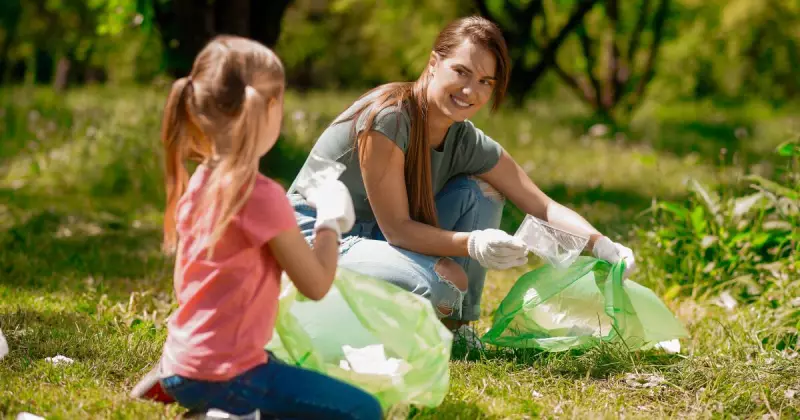
When we resolve to act together, the dynamics of success change. Accountability shifts. It's easy to skip a solo gym session, but it's much harder to bail on a planned street clean-up when your neighbours are waiting with garbage bags. The visible result is a cleaner environment, but the invisible outcome—forging a "third space" where people collaborate and take shared pride in their locale—is invaluable. It can transform a suburb into a village.
Family Goals with an Outward Focus
This philosophy can reshape family objectives too. Swap a vague aim like "spend more quality time together" for an actionable, outward-facing resolution: "My family will volunteer together once this year." Volunteering as a unit teaches children they are part of a larger ecosystem. It shows that agency isn't just about personal gain, but about what you can contribute. Whether it's packing food hampers or visiting a local aged care home, these shared acts of service strengthen family bonds through shared purpose.
We've already seen the powerful ripple effects of this communal mindset in campaigns like One Mitzvah for Bondi, which champions single acts of kindness. A resolution turned into a helpful action doesn't end with the immediate recipient; it creates a culture of generosity that spreads.
So, if your resolution to run a marathon is already causing dread, or your goal to read 50 books feels like a chore, give yourself permission to let it go. There's no failure in abandoning a goal that doesn't truly serve you. Instead, consider picking up a goal that serves us.
Let's make 2026 the year we stop obsessing over our own reflection and start looking out our windows. The pursuit of a "new you" can wait. The project of building a "new us" is long overdue.