The permanent scars on Bondi Beach from the mass shooting on December 14 are undeniable, yet Australia's most famous stretch of sand is defiantly refusing to let tragedy define its spirit.
A Community Forced to Confront Tragedy
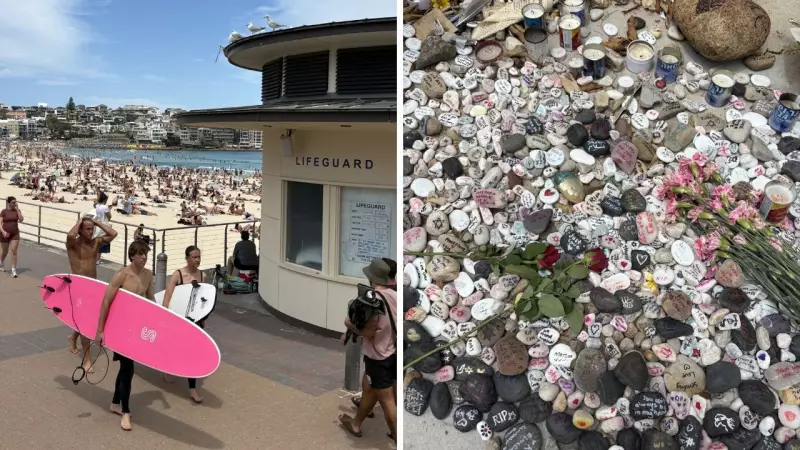
In Bondi, there is no escaping the memory of that day. The reminders are omnipresent, from small pop-up shrines to messages chalked onto walls near the iconic Art Deco beach pavilion. It was on the pedestrian walkway near this pavilion that two alleged gunmen positioned themselves before opening fire on a crowd of Jewish people gathered on the grass below to celebrate Hanukkah, the Festival of Lights. The attack left 16 people dead and 40 others injured.
Now, the area is a focal point for grief and recovery. Lifeline counsellors and chaplains are stationed nearby, offering support to those struggling to process the events. Police presence is highly visible, with officers patrolling in groups along Campbell Parade and helicopters regularly flying overhead—a stark new reality signalling heightened security.

Signs of Sorrow and Solidarity
The walkway bridge used as a shooting platform has become an impromptu memorial. Signs ask for respect, and the concrete walls are covered in heartfelt messages written in Texta and chalk, remembering loved ones and pleading for a better world. Local businesses display notices applauding the Bondi spirit. Hotel Bondi has unfurled a huge banner reading, "Our home, our community. Bondi stands together."
Just metres away, a poignant silence hangs over the children's playground, which remains padlocked and closed. While the official council sign cites remedial work, the speculation is that the equipment was damaged by gunfire—a chilling detail in a place usually filled with laughter.
Life Persists Amid the Pain
Despite the backdrop of sorrow, the resilient heartbeat of Bondi is resurfacing. Board riders jog down to the surf, their wetsuits hanging from their shoulders. Sunworshippers chat and laugh on the sand, while the legendary Bondi lifeguards—who heroically used their rescue boards to carry the dead and wounded—patrol the beach once more. At the outdoor gym at North Bondi, fitness enthusiasts are back to their routines.
Yet, it's not business as usual. The sound of a police siren or the thrum of a helicopter overhead are constant reminders. Personal stories from that day are etched into the community. One local family's elderly Jewish neighbours were on the grass celebrating when the shooting started. They fled, diving into a parked campervan and huddling on the floor as one of the shooters stalked past, gravel crunching under his feet just outside.
Acts of profound kindness emerged from the chaos. Residents living near the beach opened their homes to terrified strangers fleeing the gunfire. Later that night, with the area locked down by police, these locals drove those stranded visitors back to their homes across Sydney.
On New Year's Eve, the restaurants and bars along Hall Street and Beach Road were packed, a collective statement of resilience. Bondi, in its sun-drenched Aussie way, was determined to move forward. The waves continue to roll in, body surfers and board riders continue to ride them, and life, forever marked but unbroken, goes on.