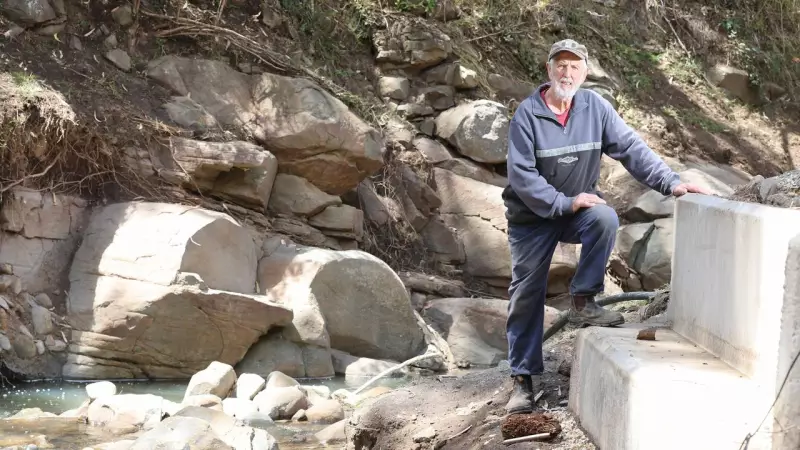
Residents of Separation Creek, a small community in Victoria, are expressing grave fears about their safety in the event of a bushfire, following the destruction of a crucial bridge during recent floods. The loss of this vital access point has left the community feeling isolated and vulnerable, with many worrying they could become trapped if a fire emergency were to occur.
Community Concerns Over Emergency Access
The bridge, which served as a primary route in and out of the area, was severely damaged or washed away by floodwaters, cutting off easy access for residents. This has raised significant concerns about emergency evacuation and firefighting efforts. Locals report that without the bridge, alternative routes are either non-existent or impractical, especially during a fast-moving bushfire.
Impact on Daily Life and Safety
The situation has not only heightened fears about fire safety but also disrupted daily life. Residents face challenges in accessing essential services, commuting to work, and receiving deliveries. The psychological toll is evident, with many feeling abandoned and anxious about the upcoming bushfire season.

Calls for Urgent Action
Community members are urging local and state authorities to prioritise the repair or replacement of the bridge. They argue that without swift action, the risk to human life could be severe. Some have suggested temporary measures, such as installing a bailey bridge, to restore access while permanent solutions are developed.
Historical Context and Future Risks
Separation Creek has a history of being affected by natural disasters, including previous floods and bushfires. The current bridge issue underscores the broader challenges faced by rural and remote communities in Australia, where infrastructure can be vulnerable to extreme weather events. Experts warn that climate change may increase the frequency and intensity of such incidents, making resilient infrastructure more critical than ever.
As the community waits for a resolution, residents are banding together to support each other and advocate for their safety. They hope that their plight will prompt a faster response from policymakers, ensuring that Separation Creek is not left as a fire trap in the face of future emergencies.