Renewable Energy Zone Sparks Bushfire Safety Fears in Victoria
In the wake of recent devastating bushfires that swept through Victoria, where aerial firefighting operations played a critical role in safeguarding lives and property, a new concern has emerged that is causing deep unease within the community. The proposed New England Renewable Energy Zone transmission corridor is now at the centre of a heated debate, with residents and experts alike raising alarms about its potential implications for bushfire response capabilities.
Immediate Risks to Aerial Firefighting Operations
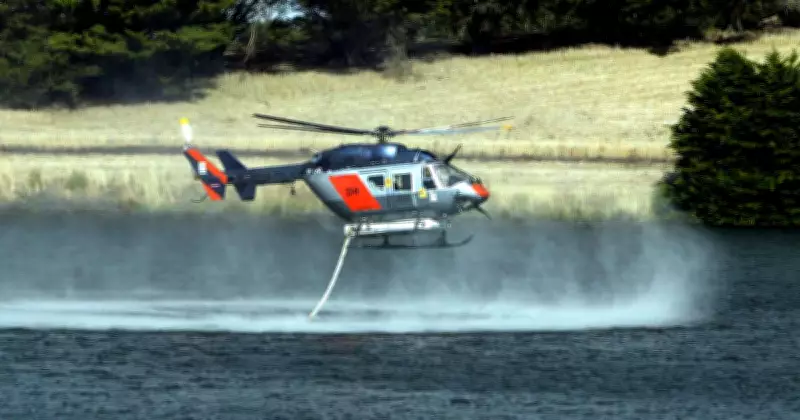
The immediate and most pressing worry revolves around how the transmission infrastructure could interfere with aerial firefighting efforts. During the recent bushfire crisis, aircraft were indispensable in containing blazes and protecting vulnerable areas. The introduction of high-voltage transmission lines across the landscape could create significant obstacles for these vital operations, potentially hindering low-flying aircraft and reducing their effectiveness in emergency situations.
Community members are voicing their apprehension, pointing out that any delay or limitation in aerial response could have catastrophic consequences during future fire seasons. The memory of recent losses has made this issue particularly sensitive, with many questioning whether proper safety assessments have been conducted regarding the corridor's impact on fire management strategies.

Broader Environmental and Procedural Concerns
While bushfire safety remains the primary focus, the controversy extends to other important areas. Environmental impacts are being scrutinised, with concerns about habitat disruption, wildlife corridors, and the overall ecological footprint of such large-scale infrastructure projects. Additionally, questions are being raised about the due process followed in planning and approving the renewable energy zone, with some community members feeling their voices haven't been adequately heard in the decision-making process.
The transmission corridor represents a complex intersection of renewable energy goals and practical safety considerations. As Victoria continues to recover from recent bushfire trauma, the balance between advancing clean energy initiatives and maintaining robust emergency response systems has become a delicate and urgent matter for policymakers to address.
Looking Forward: Balancing Progress and Protection
As discussions continue, stakeholders are calling for comprehensive risk assessments that specifically address bushfire response implications. The community's experience with recent fires has created a heightened awareness of vulnerability and a strong desire for assurances that future developments won't compromise their safety. The situation highlights the ongoing challenge of implementing large-scale renewable energy projects while respecting local concerns and maintaining essential emergency service capabilities.
The debate over the New England Renewable Energy Zone transmission corridor serves as a reminder that energy transition projects must carefully consider their broader implications, particularly in regions already grappling with the realities of climate change and extreme weather events. How Victoria navigates this issue could set important precedents for similar projects across Australia.