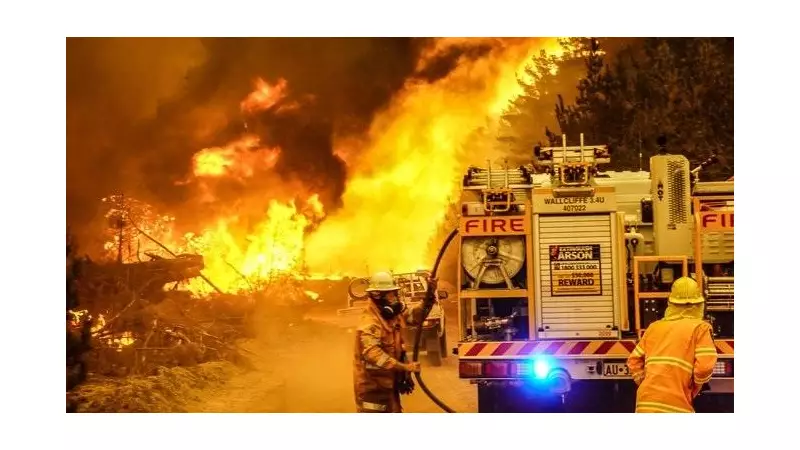
The devastating bushfires currently tearing through Victoria have ignited a fierce debate about community preparedness and government response. While the flames consume land and property, a more insidious threat is being exposed: a dangerous level of complacency born from an all-too-familiar seasonal cycle.
A Season of Familiar Destruction
The fires, which escalated dramatically around February 13th, have left a trail of destruction across the state. Communities are facing the terrifying reality of emergency warnings, with residents forced to make split-second decisions to flee or defend their homes. This scenario, tragically, feels like a recurring nightmare for many Australians.
Yet, this very familiarity is now seen as part of the problem. Emergency services and climate analysts argue that the predictable annual arrival of the bushfire season has lulled sections of the public and policymakers into a false sense of security. The attitude of "she'll be right" persists, even as the science clearly shows fires are becoming more frequent, more intense, and occurring over longer periods.

The High Cost of Complacency
The consequences of this complacency are measured in lost hectares, destroyed homes, and immeasurable ecological damage. Firefighting agencies, including the Country Fire Authority (CFA), are stretched to their limits, battling blazes that behave in increasingly unpredictable ways due to changing climate conditions.
Critics point to several areas where complacency has taken root. Firstly, in land and fuel management, where prescribed burning and clearing programs often face delays or opposition. Secondly, in household preparedness, where many residents in high-risk areas still lack robust bushfire survival plans. And thirdly, at the policy level, where long-term strategies for climate adaptation and resilient infrastructure can be sidelined by short-term political cycles.
An Urgent Call for a New Mindset
The message from the firefront is clear: Australia can no longer afford to treat bushfires as a temporary, seasonal inconvenience. They are a permanent and escalating feature of the national landscape. This requires a fundamental shift in thinking, from reactive response to proactive, year-round resilience building.
This means:
- Investing aggressively in firefighting capacity and emerging detection technology.
- Streamlining and accelerating hazard reduction programs while respecting ecological advice.
- Mandating and supporting community education so every household in a fire zone has a practiced, viable plan.
- Integrating climate science directly into urban planning, building codes, and emergency service funding models.
The Victorian devastation serves as a stark reminder. The comforting pattern of the past is gone. The new reality demands respect, vigilance, and action long before the first smoke plume appears on the horizon. The time for complacency is over; the era of permanent preparedness must begin.