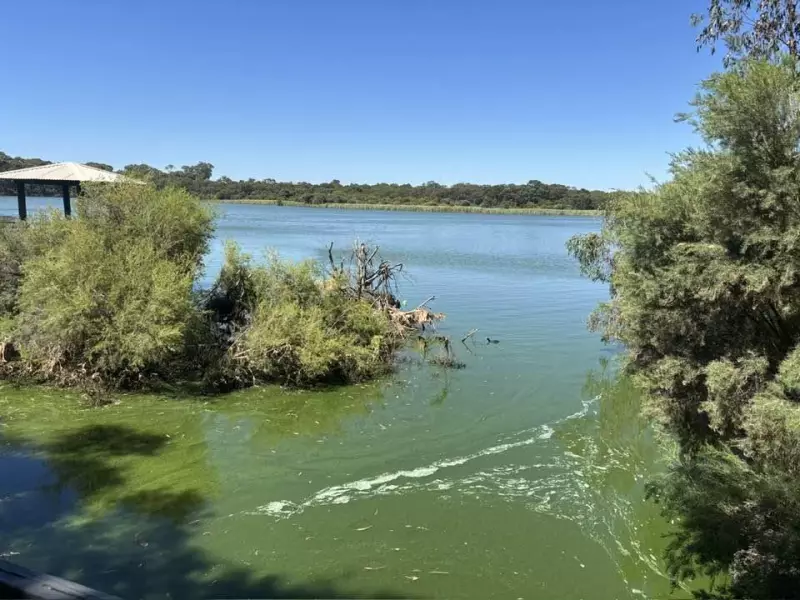
Toxic Algal Blooms Prompt Urgent Warnings for Perth's Lake Gwelup and Jackadder Lake
Residents and pet owners in the Woodlands area of Perth are being strongly advised to steer clear of Lake Gwelup and Jackadder Lake following the confirmation of potentially toxic algal blooms at both popular recreational spots.
The City of Stirling has conducted water sampling that verified the presence of blue-green algae species capable of producing harmful toxins. These toxins can lead to serious illness in both humans and animals if exposure occurs.
Official Warnings and Health Risks
Warning signs have been prominently installed around the perimeters of both lakes, alerting visitors that the water may pose significant dangers to health. Mayor Mark Irwin explained that the blooms were initially reported in late December, with laboratory tests last week identifying specific cyanobacteria.

The confirmed species include microcystis aeruginosa, dolichospermum species, and raphidiopsis raciborskii, all known to be problematic blue-green algae. Mayor Irwin emphasised the importance of avoiding contact, as these algae can cause skin irritation, nausea, vomiting, and other adverse health effects in people and pets upon skin contact or ingestion.
"We're urging the community to avoid all contact with the affected water and to keep their dogs on a leash to prevent accidental exposure," Mr Irwin stated. "We will be undertaking follow-up water sampling and ongoing monitoring at the lakes as advised by the WA Department of Health until the water quality is consistent with national guidelines."
Environmental Factors and Monitoring Efforts
Algal blooms typically develop under specific environmental conditions, such as warm temperatures, stagnant water, and elevated nutrient levels, which foster rapid algae growth. The City of Stirling anticipates that the blooms will naturally dissipate as weather patterns change, though a precise timeline remains uncertain.
"The duration of blue-green algal blooms is influenced by environmental factors, such as temperature, nutrient levels, rainfall, and water movement. As such, we are unable to provide a clear timeframe," Mayor Irwin noted. "Blooms often dissipate naturally as weather conditions change."
Authorities are conducting regular monitoring and follow-up sampling to track water quality improvements. In the meantime, residents are encouraged to report any signs of algal blooms in local waterways to the Department of Water and Environment Regulation's Algal Watch team to aid in broader environmental management efforts.