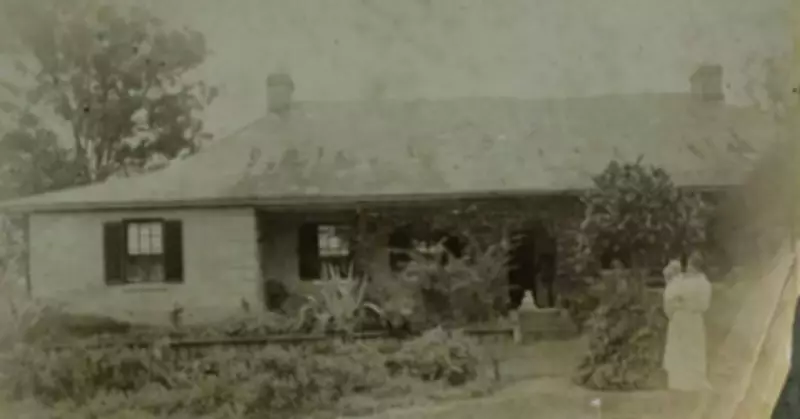
The historic Ravensworth Homestead, located near Singleton in the Hunter Valley, has officially been granted heritage status by the New South Wales government, a decision that comes despite fierce opposition from multinational mining company Glencore.
A Landmark Decision for Heritage Preservation
The homestead, which dates back to the 1830s, is considered one of the region's most significant colonial-era properties. The NSW Heritage Council voted to place the property on the State Heritage Register, recognizing its architectural and historical value. The move effectively protects the site from potential mining expansion by Glencore, which had argued the designation would hinder its operations.
Glencore's Opposition
Glencore, which operates the nearby Ravensworth coal mine, had lobbied against the heritage listing, claiming it would create uncertainty for future mining activities and impact jobs. The company had proposed alternative conservation measures, but heritage advocates argued that only formal listing could guarantee long-term protection.

Community and Advocacy Response
Local heritage groups and community members have welcomed the decision, describing it as a victory for preserving the region's history. The National Trust of Australia (NSW) praised the government's move, stating that the homestead is a rare example of early Australian architecture and a vital link to the area's pastoral past.
What the Heritage Listing Means
The listing means that any future development or mining near the homestead will require special approval, with a focus on preserving the site's integrity. While Glencore expressed disappointment, the company said it would review the decision and consider its options. The NSW government has emphasized that the heritage status balances conservation with economic interests, noting that the mining sector remains important to the state.
Ravensworth Homestead joins a growing list of heritage-listed sites in the Hunter Valley, a region known for its rich coal mining history and colonial heritage. The decision sets a precedent for how the state handles conflicts between industrial development and cultural preservation.