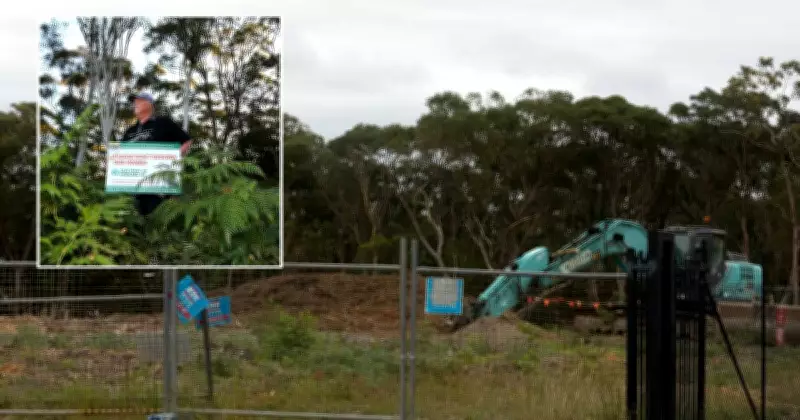
Landcom's Garden Suburb Housing Plan Sparks Bushland Conservation Concerns
A proposed housing development by Landcom in a garden suburb has raised significant fears among residents and environmental groups regarding the potential destruction of local bushland. The plan, which aims to address housing needs, has ignited a debate over balancing urban growth with ecological preservation in the area.
Residents Voice Strong Opposition to Development
Local residents have expressed strong opposition to the Landcom housing plan, citing concerns about the loss of native vegetation and wildlife habitats. Many argue that the garden suburb's unique character, defined by its lush green spaces and natural landscapes, could be irreversibly damaged by the proposed construction.
Community meetings have been held where residents voiced their worries, emphasizing the importance of maintaining the suburb's environmental integrity. They are calling for more transparent planning processes and greater community involvement in decision-making to ensure that any development respects the area's ecological values.

Environmentalists Highlight Risks to Local Ecosystems
Environmental groups have joined the chorus of concern, highlighting the potential risks to local ecosystems from the Landcom housing proposal. They point out that the bushland in question is home to various native species and plays a crucial role in biodiversity conservation.
Experts warn that clearing land for housing could lead to habitat fragmentation, increased pollution, and a decline in local flora and fauna. They urge Landcom and local authorities to conduct thorough environmental impact assessments and consider alternative, more sustainable development options that minimize harm to the bushland.
Landcom Defends Plan Amid Growing Criticism
In response to the backlash, Landcom has defended its housing plan, stating that it is designed to meet the growing demand for affordable housing in the region. The organization emphasizes that the development includes measures to mitigate environmental impacts, such as retaining some green spaces and implementing sustainable building practices.
However, critics argue that these measures may not be sufficient to protect the bushland adequately. They are pushing for stricter regulations and more robust conservation strategies to be integrated into the plan before any construction begins.
Balancing Housing Needs with Environmental Protection
The controversy underscores the broader challenge of balancing housing needs with environmental protection in urban planning. As cities expand, finding ways to accommodate population growth while preserving natural areas becomes increasingly critical.
Stakeholders are calling for a collaborative approach that involves all parties—developers, residents, environmentalists, and government agencies—to find solutions that support both community development and ecological sustainability. The outcome of this debate could set a precedent for future projects in garden suburbs and similar areas across the region.
As discussions continue, the fate of the bushland hangs in the balance, with many hoping for a resolution that prioritizes long-term environmental health alongside housing affordability.