Cockburn's Restricted Burning Period Commences with Fire Permit Applications Open
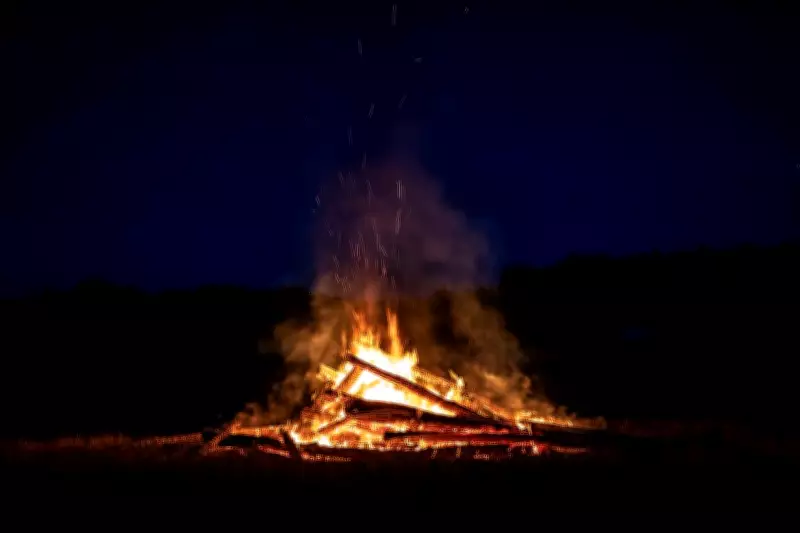
The City of Cockburn has officially entered its planned restricted burning period, granting select residents the authorization to conduct controlled fires on their properties. This initiative, which runs until May 31, specifically targets individuals residing in zoned rural areas, who must obtain a fire permit from the city to participate.
Permit Requirements and Burning Conditions
Under the new regulations, approved residents are permitted to burn dry vegetation such as leaves and tree branches exclusively between the hours of 6pm and 11pm. A critical safety mandate requires at least one person to remain present at the fire site until it is fully extinguished, ensuring constant monitoring and control.
Craig Waters, Deputy Commissioner of the Department of Fire and Emergency Services (DFES), emphasized the environmental and safety benefits of these planned burns. "Planned burns reduce the build-up of vegetation that fuels dangerous bushfires, helping to lower a bushfire’s intensity and rate of spread," he explained. "They also create safer conditions for firefighters, reduce environmental impact, and protect property and infrastructure during bushfire season."

Eligible Areas and Seasonal Guidelines
The restricted burning applies to designated parts of Banjup, Munster, Wattleup, Treeby, and Jandakot. Residents are encouraged to verify their inclusion in the catchment area via the city’s official website. Cockburn falls within the Swan Coastal South fire weather district, which dictates a restricted burning season from April 1 to May 31, followed by an unrestricted period from June 1 to September 30. Burning is strictly prohibited from December 1 to March 31 annually.
Safety Protocols and Responsibilities
Property owners must assess weather conditions and consult local government authorities regarding potential burning restrictions before applying for a permit. Additionally, landholders are required to register their planned burn with the DFES Communications Centre at 9395 9209 prior to ignition. This registration process notifies the community and helps prevent false emergency calls, allowing firefighters to concentrate on genuine crises.
Waters highlighted the significant responsibility involved in conducting a planned burn. "It involves recognising and managing all associated risks. In the wrong conditions, a planned burn can escape and become an uncontrollable fire," he cautioned. Ideal conditions include cool weather, light to gentle winds under 20km/hr, and sufficient moisture in the vegetation.
Additional Regulations and Liability
The DFES has established Burn SMART guidelines for both local governments and residents to follow during planned burns. Importantly, if the fire danger rating reaches high, extreme, or catastrophic levels, a total fire ban supersedes any permitted burning times. The City of Cockburn has clarified that residents bear full responsibility for any fires they light; if a fire escapes, they may be held liable for resulting damages.
For small piles under 1m³, burning is allowed without a permit, provided all conditions are met. This structured approach aims to balance environmental management with community safety, ensuring that Cockburn’s rural areas remain protected during the critical bushfire season.