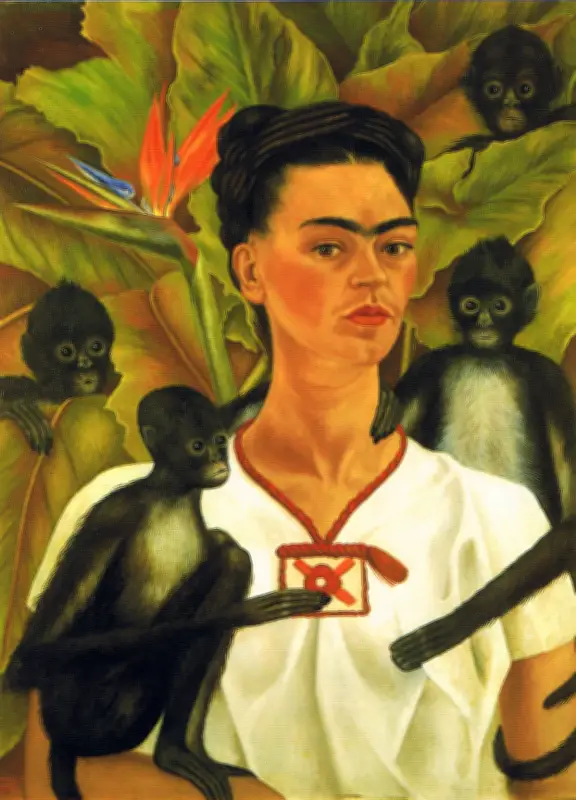
The Frida Kahlo Museum in Mexico City is experiencing unprecedented visitor numbers, driven by a global resurgence of interest in the iconic artist's life and work. The phenomenon, dubbed 'Fridamania,' has been further fueled by a major exhibition at London's Tate Modern, which has attracted record crowds since opening earlier this year.
Record Attendance at La Casa Azul
La Casa Azul, the bright blue home where Kahlo was born and died, has become one of Mexico City's most visited cultural sites. Museum officials report that daily attendance has doubled compared to the same period last year, with queues often stretching around the block. Visitors from around the world, particularly from the United States, Europe, and Asia, are flocking to the museum to see Kahlo's personal belongings, artworks, and the preserved rooms where she lived with Diego Rivera.
The museum has had to implement timed entry tickets and limit capacity to manage the crowds. Despite these measures, tickets are frequently sold out weeks in advance. The surge in interest has also boosted tourism in the Coyoacán neighborhood, with local businesses reporting increased sales.

The Tate Effect
The Tate Modern's exhibition 'Frida Kahlo: The Life of an Icon' has been a major catalyst for the current wave of Fridamania. The show, which features over 200 works, including many rarely seen outside Mexico, has drawn more than 500,000 visitors since its opening. It is on track to become one of the most popular exhibitions in the museum's history.
Curators at the Tate have worked closely with the Frida Kahlo Museum to secure loans of key pieces, including the famous self-portrait 'The Two Fridas' and 'The Broken Column.' The exhibition also explores Kahlo's political activism, her relationship with Rivera, and her enduring influence on fashion, feminism, and popular culture.
The success of the Tate show has had a ripple effect, inspiring other museums around the world to plan Kahlo-themed exhibitions. In the United States, the Museum of Fine Arts in Boston and the Los Angeles County Museum of Art have both announced upcoming shows focused on the artist.
Fridamania Beyond Museums
Fridamania extends beyond museum walls. Kahlo's image appears on everything from T-shirts and tote bags to phone cases and coffee mugs. Her distinctive style, including her traditional Tehuana dresses and flower crowns, has been widely adopted in fashion and beauty campaigns. In Mexico City, walking tours dedicated to Kahlo's life have become popular, visiting sites such as the San Angel neighborhood where she and Rivera lived, and the Casa Azul.
Scholars attribute the enduring fascination with Kahlo to her status as a symbol of resilience, identity, and self-expression. Her unflinching exploration of pain, love, and politics resonates with contemporary audiences, especially younger generations who see her as a feminist icon.
However, some critics warn that the commercialization of Kahlo's image risks oversimplifying her complex legacy. They urge visitors to engage with her art and writings to understand the full depth of her work.
Despite these concerns, the Frida Kahlo Museum remains committed to preserving her legacy and educating the public. The museum has expanded its educational programs and launched a digital archive to make Kahlo's work accessible to a global audience.
As Fridamania shows no signs of abating, the museum is planning renovations to accommodate the growing number of visitors. A new visitor center and expanded exhibition spaces are expected to be completed by 2028.