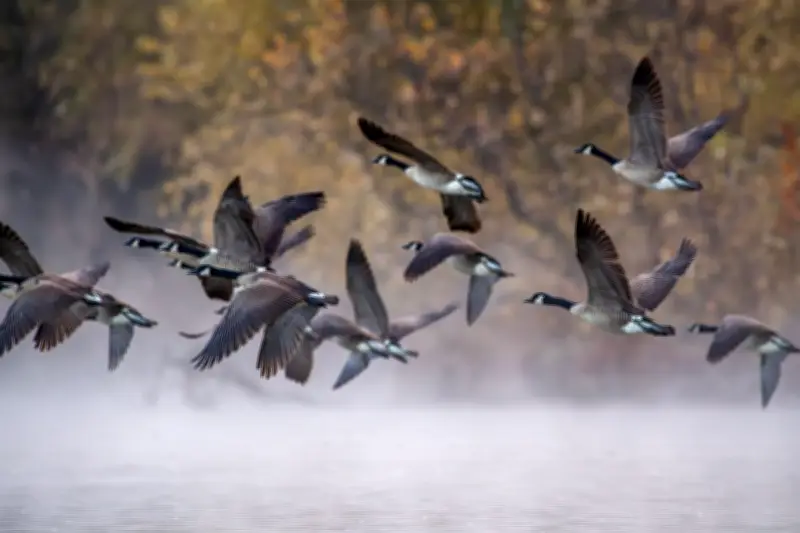
Alabama's decision to cull thousands of Canada geese has sparked widespread protests, with animal rights activists and local residents questioning the ethics and necessity of the mass killing. The state's wildlife agency argues the cull is needed to reduce water pollution, property damage, and safety hazards at public parks and recreational areas.
Background of the Cull
The Alabama Department of Conservation and Natural Resources has authorized the killing of up to 5,000 Canada geese over the next several weeks. Officials say the birds have become overpopulated in urban areas, leading to increased fecal contamination in lakes and ponds, as well as aggressive behavior toward humans. The cull will involve trapping and euthanizing the geese, with the meat donated to food banks.
Wildlife biologists estimate the state's Canada goose population has grown to more than 25,000, a significant increase from just a few hundred in the 1980s. The birds are non-migratory and have adapted well to suburban environments, where they find ample food and few natural predators.

Protests and Public Outcry
Since the announcement, protests have been held in several cities, including Birmingham, Montgomery, and Huntsville. Demonstrators have carried signs reading "Geese Have Rights Too" and "Stop the Slaughter." Many argue that the cull is inhumane and that non-lethal methods, such as egg addling or habitat modification, should be used instead.
"This is a brutal and unnecessary solution," said Sarah Thompson, a leader of the protest group Alabama Geese Alliance. "These birds are just trying to live, and we are killing them because they are inconvenient. We need to find better ways to coexist."
Some residents have also expressed concerns about the safety of consuming goose meat from potentially contaminated environments. The state has assured the public that the meat will be tested and processed under strict guidelines.
Ethical and Scientific Debate
The cull has ignited a broader debate about wildlife management and human-animal conflict. Wildlife experts are divided on the issue. Some support the cull as a necessary population control measure, noting that Canada geese can cause significant ecological damage and pose risks to human health and safety.
"Without intervention, the population will continue to grow, leading to more problems," said Dr. Mark Reynolds, a wildlife biologist at Auburn University. "Lethal control is sometimes the most practical option when other methods have failed."
Opponents, however, argue that the cull is a short-term fix that fails to address the root causes of overpopulation, such as the availability of food and habitat in urban areas. They advocate for long-term strategies like public education, fencing, and landscape changes to make areas less attractive to geese.
Animal rights groups have also raised ethical concerns, questioning whether humans have the right to kill animals simply for being a nuisance. "These geese are sentient beings with their own lives and families," said James Carter, a spokesperson for People for the Ethical Treatment of Animals (PETA). "Killing them is not a solution; it's a failure of imagination."
Legal Challenges and Next Steps
Several animal rights organizations have filed lawsuits to halt the cull, arguing that the state failed to conduct a proper environmental impact assessment. A judge is expected to rule on a temporary restraining order later this week.
Meanwhile, the state has defended its plan, emphasizing that it follows standard wildlife management practices and that the geese will be killed humanely. "This is about protecting our natural resources and public safety," said Chris Blankenship, commissioner of the Alabama Department of Conservation and Natural Resources. "We are committed to doing this in the most responsible way possible."
The controversy highlights the growing tensions between human development and wildlife conservation, as urban areas expand and encroach on natural habitats. As the legal and ethical battles continue, the fate of Alabama's Canada geese remains uncertain.