Icelandic cinema has never been for the faint of heart, but Thirst takes the country's cinematic tradition of stark, unsettling storytelling to a new extreme. The film, directed by emerging horror auteur Jónas Ásgeir, premiered at the Reykjavik International Film Festival to a mixture of walkouts and standing ovations, cementing its status as one of the most divisive entries in recent body horror history.
Plot and Premise
The story follows Ásta, a young geologist stationed at a remote research station on Iceland's Vatnajökull glacier. After drilling into a previously unknown geothermal pocket, she and her team are exposed to a strange, luminous liquid that begins to alter their biology in grotesque ways. The narrative quickly descends into a survival horror as the characters' bodies betray them, with particular emphasis on genital transformation and mutilation.
Ásgeir draws inspiration from the works of David Cronenberg and Clive Barker, but filters them through a distinctly Icelandic lens of isolation and environmental horror. The glacial setting becomes a character in itself, its vast whiteness contrasting with the red of blood and viscera.

Body Horror and Gore
This is where Thirst truly earns its reputation. Practical effects dominate, with prosthetics and animatronics creating visceral, stomach-churning transformations. One scene involving a character's genitals slowly morphing into a parasitic appendage has already become infamous among festival-goers. The film does not shy away from showing every detail in unflinching close-up.
The sound design amplifies the horror, with wet, tearing sounds and bone-crunching effects that make the audience feel every mutilation. The score, a minimalist drone punctuated by discordant strings, adds to the unease.
Thematic Depth
Beneath the gore, Thirst explores themes of bodily autonomy, the fear of change, and humanity's intrusion into nature. Ásta's struggle with her transformation mirrors broader anxieties about identity and control. Some critics have praised the film as a feminist body horror that reclaims the narrative of bodily transformation, while others argue it is merely exploitative.
Gender plays a central role, with the film's most extreme violence directed towards male characters' genitals, a deliberate choice by Ásgeir to subvert typical horror tropes. This has sparked debate about the politics of gore and who is allowed to be mutilated on screen.
Critical Reception
Reviews are polarized. The Reykjavik Grapevine called it "a masterpiece of modern horror that pushes the genre into new, uncomfortable territory," while Variety described it as "an exercise in shock for shock's sake, with little substance to justify its excesses." Audience scores at the festival were equally divided, with a 52% approval rating.
Some viewers have criticized the film's pacing, noting that the slow build-up in the first act gives way to relentless gore in the second and third acts, leaving little room for character development. Others argue that the film's commitment to its vision is admirable, even if the result is not always pleasant.
Technical Aspects
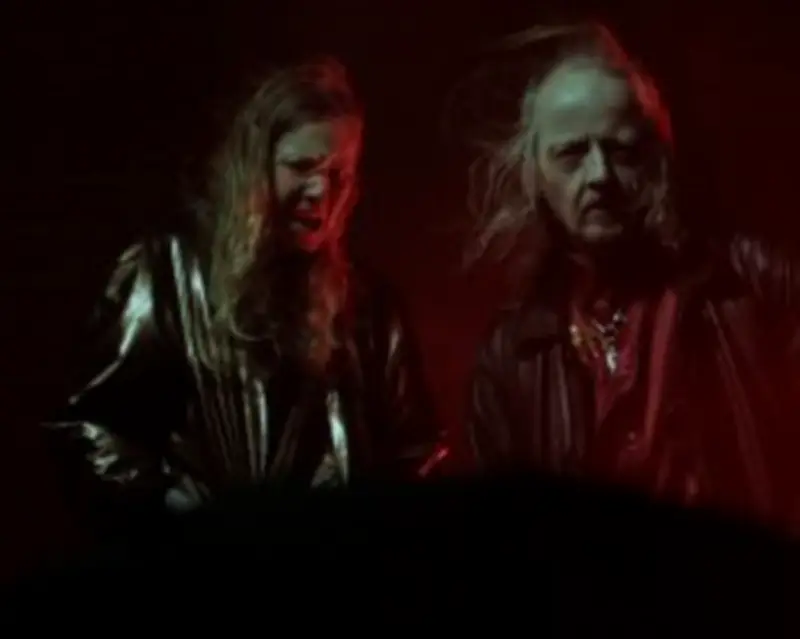
Cinematographer Sigurður Ólafsson captures the stark beauty of the Icelandic landscape with a cold, clinical eye that contrasts sharply with the warm, organic horror of the body transformations. The lighting is often dim, with only the glow of the mysterious liquid illuminating the horrors, creating a claustrophobic atmosphere.
The performances are solid, particularly from lead actress Sara Dögg Ásgeirsdóttir, who conveys both terror and determination as her body becomes a battleground. The supporting cast, mostly Icelandic actors, deliver believable reactions to the increasingly absurd and horrific situations.
Conclusion
Thirst is not for everyone. It is a film that demands a strong stomach and an appreciation for extreme body horror. Those who can handle its excesses will find a thought-provoking, if flawed, exploration of transformation and identity. Others may find it simply too much. In an era of safe, formulaic horror, Thirst at least dares to be different, even if it risks drowning in its own gore.