A new biopic titled Kapodistrias is bringing renewed attention to Ioannis Kapodistrias, the first governor of Greece, who is credited with building the modern Greek state from the ground up. The film, directed by Yannis Smaragdis, opened in UK cinemas this week after a successful run in Greece and screenings across Europe.
Who Was Ioannis Kapodistrias?
Born in Corfu in 1776, when the island was still part of the Venetian Republic, Kapodistrias rose to become joint foreign minister of the Russian Empire under Tsar Alexander I. He was a skilled diplomat and political operator, highly regarded by figures at the Congress of Vienna. Despite his success in Russia, he never forgot his homeland. When the Greek War of Independence broke out, he resigned from his post and dedicated himself to supporting the revolution.
In 1827, Kapodistrias was elected Greece's first head of state. He arrived the following year to a country with no functioning currency, courts, schools, or unified army. He worked tirelessly, often from five in the morning until late at night, to build the institutions of the new state. He founded schools, minted Greece's first currency (the Phoenix), organized the judiciary, and even introduced the potato to stave off famine.

A Controversial Figure
Despite his achievements, Kapodistrias remains a divisive figure. Some accuse him of being a tyrant motivated by selfish ambition, while others call him an enlightened despot. His autocratic style, shaped by his years in Russia, clashed with the local warlords who had fought in the war of independence. He was assassinated in 1831 by political opponents.
Historian Roderick Beaton, author of Greece: Biography of a Modern Nation, notes that Kapodistrias is "highly controversial and divisive in his lifetime, and, more remarkably, still is." In modern Greece, he has been adopted as a hero by the political right and condemned as a dictator by the left.
The Film's Portrayal
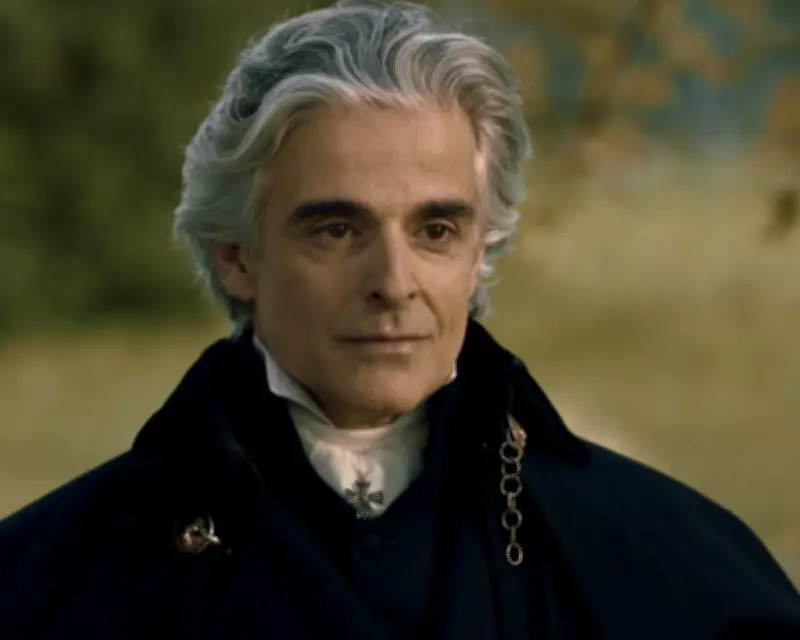
The film Kapodistrias portrays him as a stately, austere figure, constantly working and revered by those around him. Lead actor Antonis Myriagos describes his approach to the role as "the chronicle of a death foretold." The film also explores his relationship with Greek aristocrat Roxandra Sturdza and his association with writer Alexander Pushkin.
The movie has divided critics and audiences in Greece. Professional reviewers were largely critical, but audiences embraced it, making it the fifth highest-grossing Greek film of all time. This gap in opinion reflects the ongoing debate about Kapodistrias's legacy.
Why He Remains Overlooked
Outside Greece, Kapodistrias is largely forgotten. Beaton attributes this partly to his assassination but more to his controversial nature. "He was a backroom diplomat of a type they didn't really recognise," says researcher Jonathon Bond. Unlike the colorful heroes of the war of independence, Kapodistrias did not raise a sword in battle, and he tried to curb the power of the warlords.
Despite the controversy, Beaton insists that Kapodistrias's story "deserves to be much better known." The new film aims to bring that story to a wider audience.