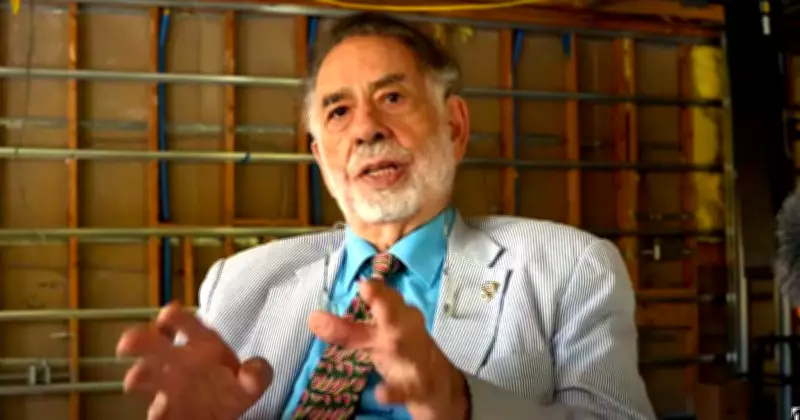
Megalopolis: A Compelling Peek Inside Coppola's Cinematic Trainwreck
Francis Ford Coppola, the legendary director behind classics like The Godfather and Apocalypse Now, has once again captured the film world's attention with his latest project, Megalopolis. This new documentary provides an unprecedented look into the making of what some are calling a cinematic trainwreck, while others hail it as a bold artistic statement. The film, which has been in development for decades, represents Coppola's ambitious vision to push the boundaries of storytelling and visual art.
The Genesis of a Cinematic Dream
Coppola first conceived Megalopolis in the early 2000s, drawing inspiration from ancient Rome and modern urban decay. The project quickly gained a reputation for its grand scale and complex themes, focusing on an architect's quest to rebuild New York City after a catastrophic disaster. Over the years, the film faced numerous challenges, including budget overruns, casting changes, and production delays, which have fueled both skepticism and intrigue among critics and fans alike.
This documentary delves into these hurdles, showcasing Coppola's unwavering dedication to his vision. Through interviews with cast and crew, it reveals the director's meticulous approach to filmmaking, from set design to character development. The footage highlights how Coppola blended practical effects with cutting-edge technology, creating a visually stunning yet controversial piece that defies conventional genre labels.

Behind the Scenes of a Production Saga
The making of Megalopolis was not without its dramatic moments. Reports of on-set tensions and creative disagreements have surfaced, painting a picture of a tumultuous production process. However, the documentary emphasizes how these challenges ultimately shaped the film's unique aesthetic and narrative depth. It explores Coppola's use of improvisation and experimental techniques, which some argue led to disjointed scenes, while others praise for their raw authenticity.
Key scenes from the film are analyzed, revealing Coppola's intent to comment on societal issues such as urban planning, political corruption, and human resilience. The documentary also touches on the financial risks involved, with Coppola reportedly investing millions of his own money to see the project through. This personal stake adds a layer of poignancy to the story, underscoring the director's passion and commitment to his art.
Critical Reception and Cultural Impact
Since its release, Megalopolis has sparked polarized reactions. Some critics have labeled it a messy and self-indulgent failure, citing its convoluted plot and uneven pacing. Others, however, applaud it as a visionary work that challenges audiences to think beyond traditional cinema. The documentary captures this dichotomy, featuring commentary from film scholars and industry insiders who debate the film's place in Coppola's oeuvre and cinematic history.
Despite the controversy, Megalopolis has garnered a cult following, with fans praising its ambition and visual innovation. The documentary suggests that the film may be ahead of its time, much like Coppola's earlier works that were initially misunderstood but later revered. It concludes by reflecting on the director's legacy, arguing that Megalopolis, whether a trainwreck or a masterpiece, is a testament to the enduring power of artistic risk-taking in filmmaking.