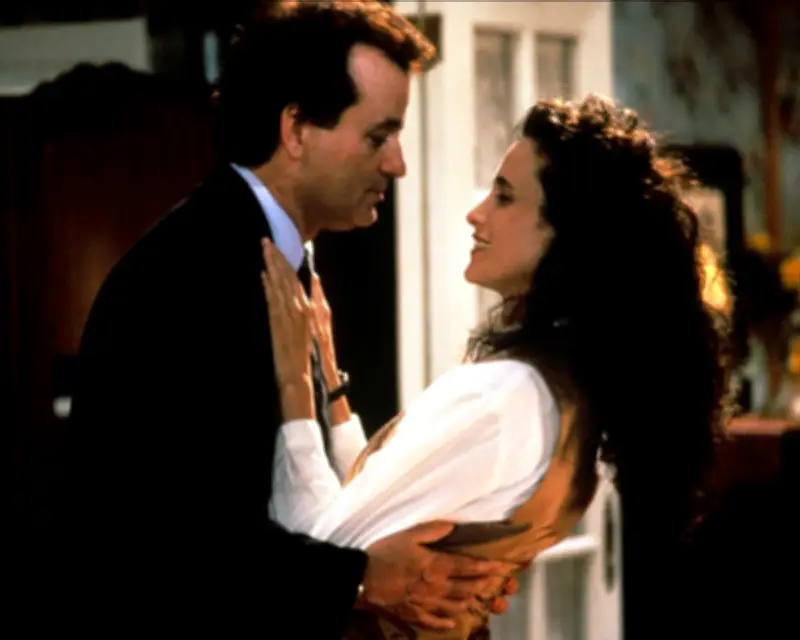
A recent study has crowned the 1993 classic Groundhog Day as the ultimate feelgood movie, beating out other beloved films for the top spot. The research, conducted by a team of psychologists at the University of Warwick, analyzed viewer responses and identified key elements that contribute to a film's feelgood factor, including themes of personal growth, humor, and a satisfying resolution.
Study Methodology and Results
The study surveyed over 2,000 participants, asking them to rate a selection of 50 popular feelgood films on a scale of 1 to 10. Groundhog Day scored an average of 9.2, followed by The Shawshank Redemption and The Princess Bride. According to lead researcher Dr. Helena Carter, "Groundhog Day's unique premise of a man reliving the same day until he learns to become a better person resonates deeply with audiences. It combines comedy, romance, and a powerful message about self-improvement."
Why Groundhog Day Wins
The film, starring Bill Murray as a cynical weatherman forced to repeat February 2nd, has been praised for its blend of humor and heart. The study highlighted that the film's narrative arc, where the protagonist evolves from selfish to selfless, is a key factor in its feelgood appeal. "The transformation of Phil Connors is both hilarious and moving, leaving viewers with a sense of hope and joy," added Dr. Carter.

Impact on Pop Culture
Groundhog Day's influence extends beyond its feelgood status; it has become a cultural touchstone, inspiring countless references in other media. The phrase "Groundhog Day" has entered common parlance to describe any monotonous or repetitive situation. The film's enduring popularity is evidenced by its high ratings on streaming platforms and frequent television broadcasts.
The study also noted that feelgood movies can have a positive impact on mental health, providing a temporary escape and boosting mood. "In times of stress, watching a feelgood film like Groundhog Day can be a simple yet effective way to improve well-being," said Dr. Carter.
Other Top Feelgood Films
Rounding out the top five feelgood movies were Love Actually, The Sound of Music, and Amélie. The study found that common elements among these films include strong character development, uplifting endings, and a sense of community or connection.