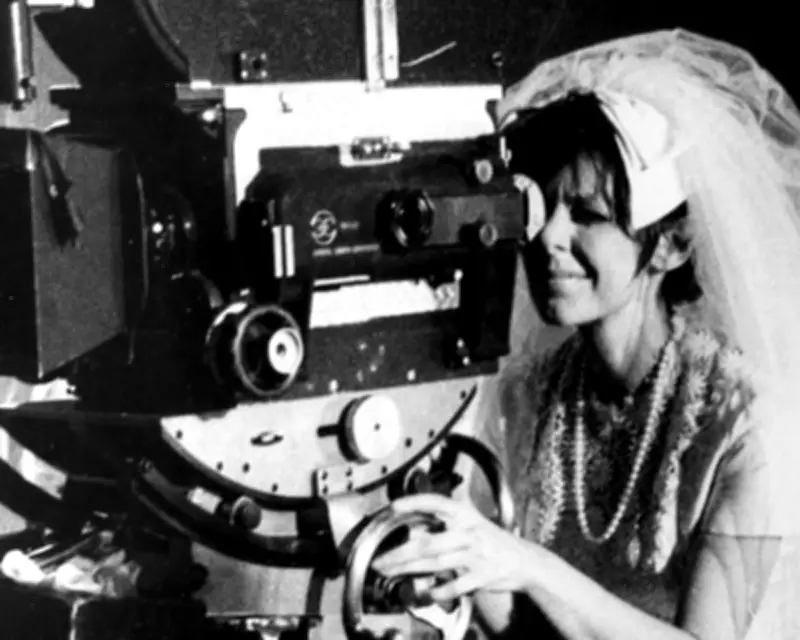
The Film at Lincoln Center in New York is set to host a comprehensive retrospective of Elaine May's work as a director, running from July 10 to July 23. The series, titled 'Elaine May: A Comedy of Misfits,' will screen all four of her feature films: 'A New Leaf' (1971), 'The Heartbreak Kid' (1972), 'Mikey and Nicky' (1976), and 'Ishtar' (1987).
A Pioneering Voice in Comedy
Elaine May, now 94, remains one of the few women to have directed Hollywood comedies in the 1970s and 1980s. Her work is known for its sharp wit, complex characters, and a willingness to explore the darker sides of human relationships. The retrospective aims to reintroduce her films to a new generation and reassess her legacy.
According to the Film at Lincoln Center, 'May's films are masterclasses in comedic timing and emotional depth, often overlooked in her time but increasingly recognized as ahead of their era.' The series will include discussions with film scholars and collaborators.

The Films in Focus
'A New Leaf' stars May as a wealthy heiress who is wooed by a fortune-hunting Walter Matthau. The film was a box office success but led to disputes with the studio over its ending. 'The Heartbreak Kid' follows a newlywed who becomes obsessed with another woman during his honeymoon; it earned May a Writers Guild of America Award nomination. 'Mikey and Nicky' is a gritty drama about two small-time gangsters, starring John Cassavetes and Peter Falk, and is considered by many critics to be her masterpiece. 'Ishtar', a disastrously received comedy about two terrible singers caught in a Middle Eastern political intrigue, has since gained a cult following.
Impact and Legacy
May's directorial career was cut short after the commercial and critical failure of 'Ishtar', which became one of the most notorious box-office bombs in history. However, her influence has persisted, with filmmakers like Judd Apatow and Mike Nichols (her former comedy partner) citing her as an inspiration. The retrospective is part of a broader reevaluation of May's work, including a recent Criterion Collection release of her films.
In a 2019 interview, May reflected on her career: 'I never thought of myself as a woman director. I just thought of myself as a director who happened to be a woman. The struggle was always about the work, not the gender.'