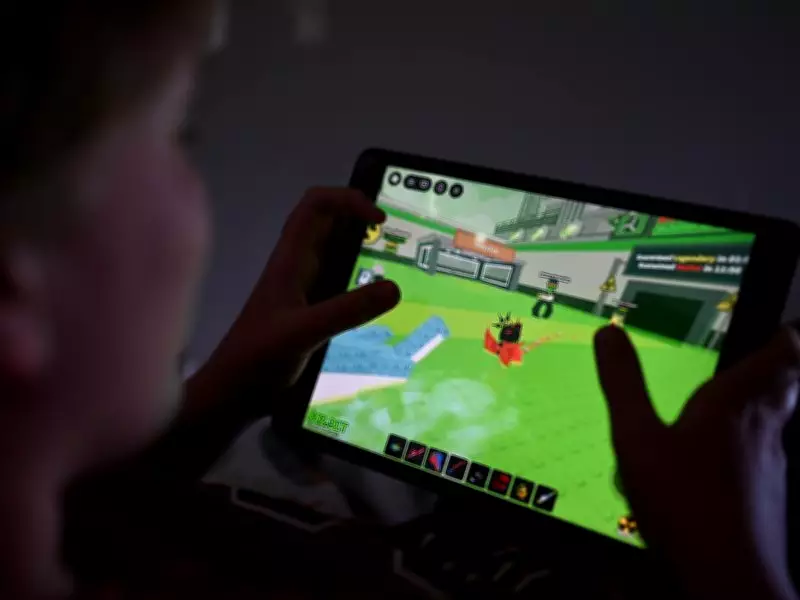
The popular online gaming platform Roblox is facing intensified scrutiny from Australian authorities over persistent concerns about predators using the service to groom children. This comes amid international headlines and local investigations highlighting serious safety risks for young users.
Government Takes Direct Action
Communications Minister Anika Wells has demanded an urgent meeting with Roblox executives to address what she describes as "graphic and gratuitous user-generated content" exposing Australian children to harm. The platform, which boasts 150 million daily users worldwide, has become a focal point for child safety concerns following multiple disturbing incidents.
"The reports we've been hearing about children being exposed to graphic content on Roblox, and predators actively using the platform to groom young people, are horrendous," Minister Wells stated. "Something must be done now."

Recent Incidents Highlight Dangers
International attention turned to Roblox after two American girls were allegedly kidnapped by a 19-year-old they met through the app. Meanwhile, Australian authorities recently laid 596 child abuse charges against a man accused of targeting hundreds of young people using social media and gaming platforms including Roblox.
Minister Wells has taken multiple steps to address the crisis, including consulting with the eSafety Commissioner about immediate safety measures and questioning whether Roblox's PG classification from 2018 remains appropriate given current concerns.
eSafety Commissioner Launches Compliance Testing
Australia's eSafety Commissioner Julie Inman Grant announced on Monday that her office will pressure-test nine safety commitments made by Roblox in September 2023. These commitments include making accounts for users under 16 private by default and preventing adult users from contacting children without parental consent.
"We remain highly concerned by ongoing reports regarding the exploitation of children on the Roblox service, and exposure to harmful material," Commissioner Inman Grant said. "That's why eSafety wrote to Roblox last week to notify them that we will be directly testing the implementation of its commitments."
Potential Penalties and New Regulations
The regulator warned that deficiencies identified during compliance testing could trigger enforcement action under the Online Safety Act, with potential penalties reaching $49.5 million for serious violations. This regulatory pressure comes as new age-restricted material codes are set to take effect on March 9, imposing additional requirements on online gaming services.
These new codes will mandate that platforms like Roblox take action against non-consensual sharing of intimate images, child grooming, and sexual extortion. The timing coincides with growing calls for a digital duty of care that would place greater responsibility on platforms to protect users, particularly children.
Roblox's Previous Safety Measures
While Roblox was excluded from Australia's recent social media ban for users under 16, the platform has implemented some safety changes following criticism that it was "becoming a playground for paedophiles." These include age verification requirements and restrictions that only allow users to chat with people in their age group or adjacent age groups.
However, authorities remain concerned about ongoing risks, including reports of hackers embedding malicious links in Roblox chats to hijack children's accounts. The combination of user-generated content, chat features, and young demographics continues to present significant challenges for platform safety.
Minister Wells emphasized the broader implications of these safety failures: "These sorts of harms show why we need a digital duty of care, which will place the onus on digital platforms to proactively keep their users, particularly children, safe."
As Australian authorities ramp up their scrutiny, Roblox faces increasing pressure to demonstrate meaningful improvements in child protection measures or face substantial regulatory consequences.