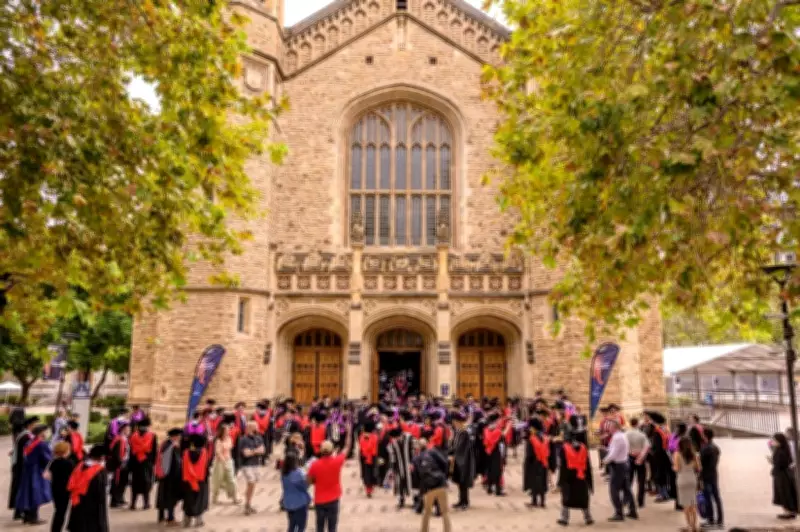
Former students of the University of Adelaide are rallying to preserve a cherished 90-year-old tradition, fighting to ensure that graduation ceremonies continue to be held in the historic Bonython Hall. Concerns have been raised that the university may relocate future graduation events, potentially severing a long-standing connection to the iconic venue.
Historic Venue Under Threat
Bonython Hall, which has served as the ceremonial heart of the university since its opening in 1936, is at the center of a growing dispute. Alumni argue that moving graduations elsewhere would effectively erase a significant part of the institution's heritage. The hall, named after Sir John Langdon Bonython, a prominent South Australian philanthropist and newspaper proprietor, has hosted countless commencement ceremonies, marking the academic achievements of generations of students.
Alumni Voices
Many former students have expressed deep emotional attachment to the venue. "It's not just a building; it's where we celebrated years of hard work and where our families shared in our pride," said one graduate. Another added, "The hall's grandeur and history make the ceremony feel truly special. Losing that would diminish the experience for future students."

University's Position
The university has not officially confirmed any plans to move graduations, but rumors of potential changes have sparked widespread concern. Some speculate that logistical challenges or capacity issues may be driving the consideration of alternative venues. However, alumni are calling for transparency and a commitment to preserving the tradition.
Campaign Efforts
A dedicated group of alumni has launched a campaign to safeguard Bonython Hall's role in graduations. They are collecting signatures, engaging with university leadership, and raising awareness through social media. The campaign emphasizes the hall's architectural and cultural significance, as well as its importance to the university's identity.
Broader Implications
This fight is part of a larger conversation about the preservation of historical landmarks in educational institutions. As universities modernize and expand, there is often tension between progress and tradition. For many, Bonython Hall represents more than a venue—it is a symbol of academic excellence and community continuity.
The outcome of this campaign could set a precedent for how universities balance heritage with contemporary needs. Alumni remain hopeful that their efforts will ensure that future graduates can still walk across the same stage where their predecessors did, maintaining a link between past and present.