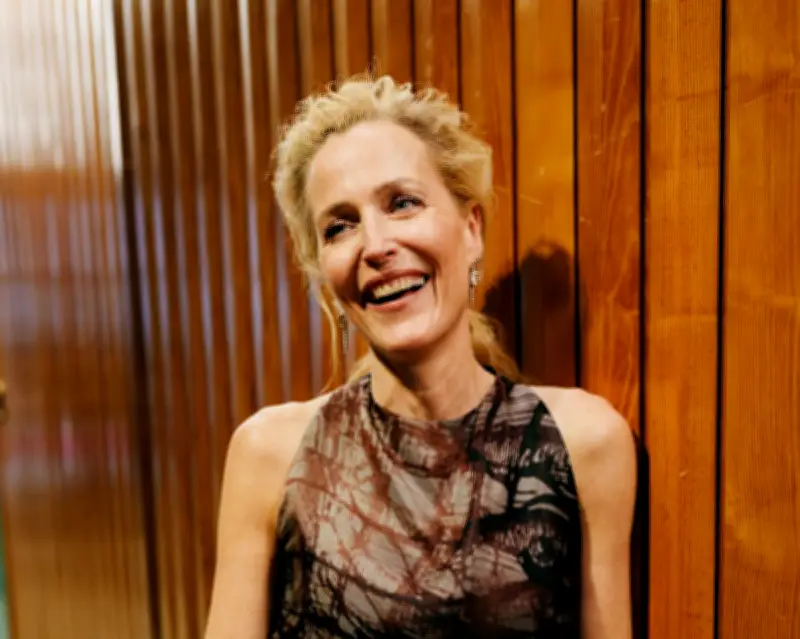
The notion that middle-aged women become invisible in society is a persistent trope, but one that doesn't hold up to scrutiny. In reality, women over 40 are everywhere—in workplaces, on screens, in politics, and in communities—defying the idea that they fade from public view after a certain age.
Challenging the Invisibility Myth
The concept of female invisibility after menopause has been widely discussed, often framed as a universal experience. However, this narrative ignores the growing visibility of middle-aged women in positions of power and influence. From Jacinda Ardern to Kamala Harris, women in their 40s and 50s are leading nations, running companies, and starring in blockbuster films.
According to a 2023 study by the Geena Davis Institute on Gender in Media, the representation of women aged 40-64 in film and television has increased by 15% over the past decade. This challenges the idea that middle-aged women are invisible in popular culture.

Everyday Visibility
Beyond media, middle-aged women are visible in everyday life. They are teachers, doctors, entrepreneurs, and community leaders. They are also the primary caregivers for both children and aging parents, roles that keep them deeply engaged in society. As one 52-year-old professional put it, “I’m not invisible; I’m just not looking for attention. I’m busy running my life.”
The persistence of the invisibility trope may stem from a narrow definition of visibility that equates it with sexual desirability. If visibility means being objectified by men, then many middle-aged women may welcome a degree of invisibility. But if it means being seen, heard, and valued for their contributions, then they are far from invisible.
The Power of Representation
Representation matters, and the increasing visibility of middle-aged women in media and leadership is changing perceptions. Shows like Grace and Frankie and The Split feature complex, vibrant characters over 50. In politics, women like Nancy Pelosi and Christine Lagarde remain influential well into their 70s.
However, there is still work to be done. Ageism remains a barrier, particularly in Hollywood and corporate boardrooms. The invisibility trope persists partly because it serves to marginalize older women. By challenging it, we can accelerate progress toward a society where women of all ages are seen and valued.