A fresh adaptation of Virginia Woolf's novel 'Night and Day' has ignited a resurgence of interest in the author's oeuvre, resonating deeply with modern audiences. The production, which premiered in London last week, has been hailed for its nuanced exploration of love, identity, and the constraints of societal norms—themes that remain strikingly relevant today.
A Timeless Narrative Reimagined
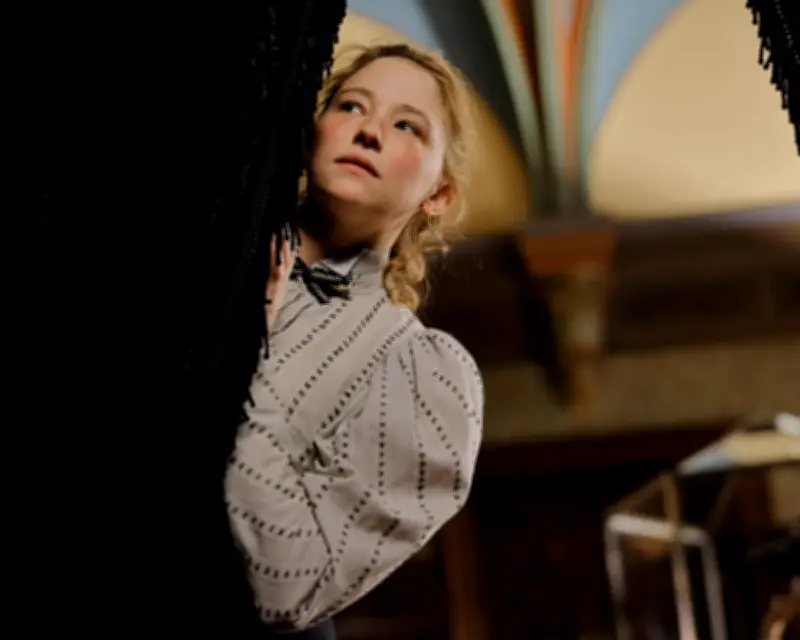
Woolf's second novel, published in 1919, follows the lives of four characters navigating the complexities of relationships and personal aspirations in post-World War I England. The adaptation, directed by acclaimed filmmaker Sarah Polley, updates the setting to the present day while preserving the essence of Woolf's narrative. Polley's interpretation emphasizes the characters' internal struggles, using modern cinematography and a haunting score to mirror their emotional landscapes.
The casting has also drawn praise, with emerging talent taking on the roles of Katharine Hilbery, Ralph Denham, Mary Datchet, and William Rodney. Critics have noted that the actors bring a fresh authenticity to the characters, making their dilemmas feel immediate and universal.

Why Now?
The timing of this adaptation is no coincidence. In an era marked by ongoing debates about gender roles, mental health, and the pursuit of personal fulfillment, Woolf's exploration of these issues feels particularly pertinent. 'Night and Day' delves into the tension between societal expectations and individual desires, a theme that echoes in contemporary conversations about work-life balance, marriage, and self-actualization.
Cultural commentators have observed that Woolf's work is experiencing a broader revival, with book clubs, academic courses, and social media discussions increasingly focusing on her writings. The 'Night and Day' adaptation is seen as a catalyst for this renewed interest, introducing Woolf to a new generation of readers and viewers.
Reception and Impact
Early reviews have been overwhelmingly positive, with many praising the adaptation for its faithfulness to the source material while making it accessible to modern audiences. The Guardian's critic described it as 'a masterful blend of period sensibility and contemporary relevance.'
The film has also sparked a surge in sales of Woolf's novels, particularly 'Night and Day,' which had previously been one of her lesser-known works. Bookstores report increased demand, and libraries have noted a rise in holds for Woolf's titles.
Beyond commercial success, the adaptation has prompted broader cultural conversations. Panel discussions, podcasts, and think pieces have explored how Woolf's insights into human relationships and social structures continue to illuminate our present-day experiences.
Looking Ahead
The success of 'Night and Day' has led to speculation about future adaptations of Woolf's other works. Producers have expressed interest in tackling 'Mrs. Dalloway' and 'To the Lighthouse,' while Polley has hinted at a potential series exploring Woolf's life and literary circle.
As the adaptation continues to captivate audiences, it serves as a powerful reminder of the enduring power of great literature to speak across generations. Woolf's voice, once considered somewhat esoteric, now finds itself at the heart of the cultural zeitgeist, proving that some stories are truly timeless.