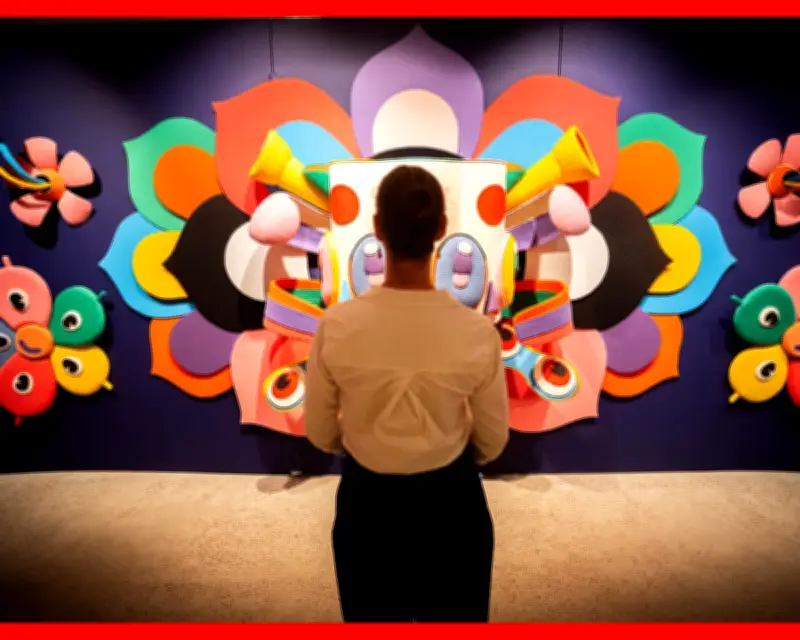
The opening of the United Kingdom's first permanent home for illustration, the Quentin Blake Centre for Illustration in London, marks a significant milestone for an often-overlooked art form. Housed in a repurposed 17th-century waterworks in Clerkenwell, the centre is the largest of its kind globally, showcasing the work of revered artist Sir Quentin Blake and his archive of 40,000 drawings.
Illustration has long played second fiddle to words, caught between fine art and publishing. Yet, as the editorial highlights, it is a highly skilled craft that shapes our world from childhood picture books to cereal packets and propaganda. The centre aims to change this by celebrating the history and future of illustration in all its guises.
The Power of Visual Literacy
For most people, illustration is the first encounter with art. Picture books are integral to childhood, allowing very young children to 'read a book even if they can't actually read,' as Blake has said. Visual literacy matters, especially given the reading crisis. Adults too rely on illustrations to navigate the world, from cereal packets to political propaganda.

Illustration Reflects Cultural Shifts
The liminal status of illustration has always attracted outsider voices. The centre's inaugural exhibition, 'Queer as Comics,' charts how once marginalised voices have become mainstream, from Tove Jansson's 1954 Moomin cartoon strip to Alice Oseman's hugely popular Heartstopper. The extraordinary graphic memoir Persepolis by Marjane Satrapi showed how the genre can transcend boundaries and convey experiences more powerfully than words alone.
The Enduring Value of Illustration
Maurice Sendak wrote of the 'counterpoint' where words and pictures tell different stories on the same page. Michael Rosen's We're Going on a Bear Hunt would have been a different book without Helen Oxenbury's illustrations. Yet illustrators often lack easily accessible sales data and are frequently not credited in reviews.
Thanks to advocates like Blake, recognition for illustration has grown with exhibitions at the National Gallery and the British Library. However, the UK still trails behind other European countries; in France, comic books and graphic novels are considered 'the ninth art.'
Illustration in the Age of AI
An art form that started on cave walls is now under threat from AI, but it can never be replaced. The cosy details of Shirley Hughes's pictures, the strange sadness of Anthony Browne's books, and the energy and optimism of a Blake drawing make their work enduring. They remain with children long after they have outgrown the books themselves. A national institution devoted to illustration shows that it is finally being treated with the seriousness it deserves.