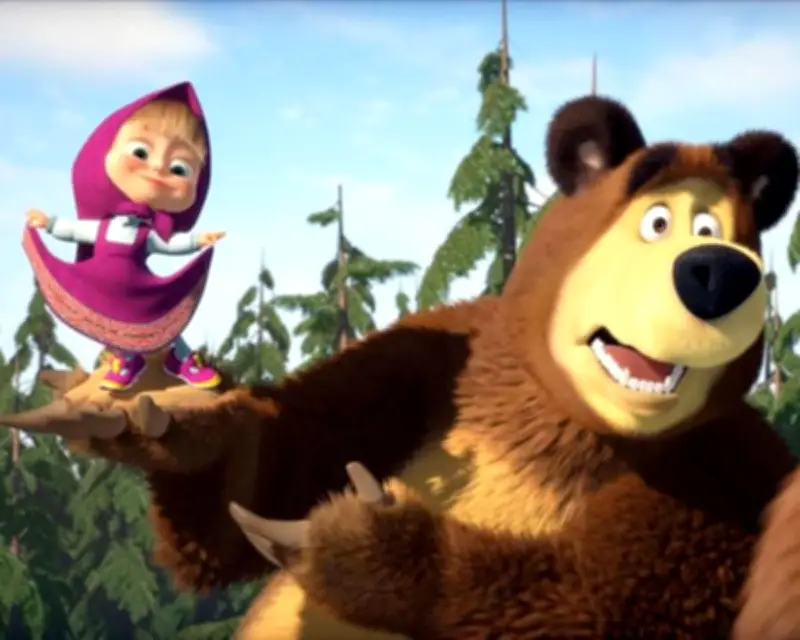
In a rare session of the UK Parliament, Members of Parliament screened an episode of the Russian animated series Masha and the Bear to draw attention to what they described as a covert propaganda tool used by the Kremlin to influence young audiences abroad.
Parliamentary Screening Highlights Propaganda Concerns
The screening took place during a debate on foreign interference, where MPs argued that the popular cartoon, which has garnered billions of views worldwide, subtly promotes Russian cultural and political narratives. Labour MP Chris Bryant, who initiated the discussion, stated: "This seemingly innocent children's show is part of a broader information war. We must be vigilant about how state-backed media shapes perceptions from an early age."
According to a report by the House of Commons Foreign Affairs Committee, Russia has invested heavily in soft power campaigns, with Masha and the Bear being one of the most successful exports. The series, produced by Animaccord Animation Studio, has been translated into over 30 languages and streams on platforms like Netflix and YouTube.

Content Analysis and Alleged Propaganda Elements
Critics point to episodes that emphasize traditional values, respect for authority, and a romanticized view of rural Russian life. One episode features a bear that symbolizes a strong, protective Russia, while the mischievous Masha represents a childlike, yet resilient, spirit. Some MPs expressed concern that the show could normalize Russian narratives among British children.
"This isn't about banning a cartoon," said Conservative MP Alicia Kearns. "It's about understanding the tools of influence. We wouldn't ignore state-sponsored ads on social media, so why overlook a cartoon with similar backing?"
Government Response and Next Steps
The UK government has acknowledged the concerns but stopped short of calling for a ban. A spokesperson for the Department for Digital, Culture, Media and Sport said: "We take foreign interference seriously and will continue to monitor all forms of propaganda. However, we also uphold freedom of expression and parental choice."
The debate has reignited discussions about media literacy and the need for better public awareness of foreign influence campaigns. The committee plans to release a full report on Russian soft power tactics later this year.