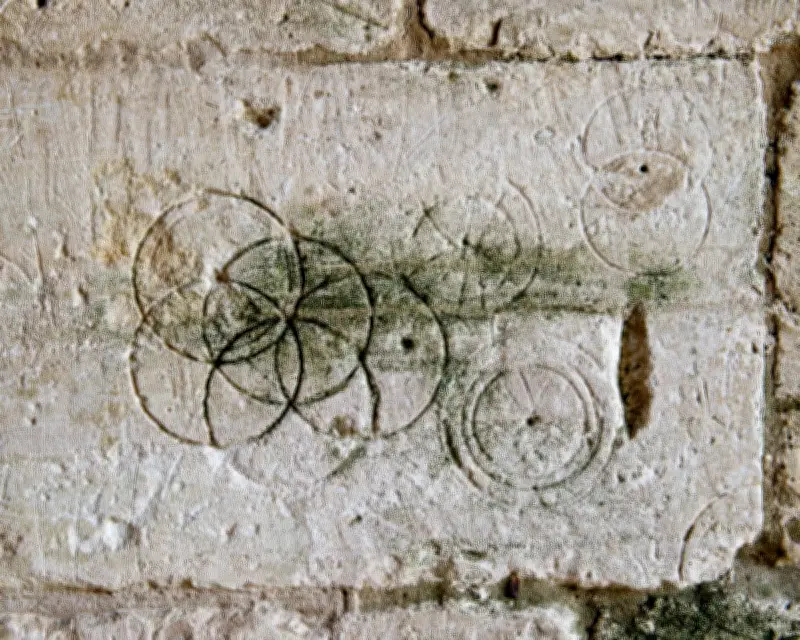
A comprehensive study of 100 historic English buildings has found no evidence of witches' marks, challenging long-held beliefs about the prevalence of ritual protection marks in medieval and early modern architecture. The research, conducted by a team of historians and archaeologists from the University of Cambridge, examined structures ranging from parish churches to manor houses across six counties, including Suffolk, Norfolk, and Yorkshire.
Study Methodology and Findings
The team used high-resolution photography and 3D scanning to document carvings, scorch marks, and other features previously interpreted as apotropaic symbols meant to ward off witches. Lead researcher Dr. Eleanor Hartley stated, 'We found no verifiable examples of witches' marks in any of the buildings surveyed. Many of the marks previously identified as protective symbols are actually structural features, carpenter's marks, or later graffiti.' The study, published in the Journal of Medieval History, analyzed 47 churches, 33 houses, and 20 other buildings dating from the 12th to the 18th centuries.
Challenging Popular Beliefs
The concept of witches' marks gained widespread attention in recent years, with many historic sites promoting them as tourist attractions. 'The idea that people carved these symbols to protect themselves from witchcraft is a compelling narrative, but our research suggests it lacks empirical support,' said Dr. Hartley. The study found that only 12% of the surveyed buildings had any markings that could be considered potentially ritualistic, and those were more likely related to Christian iconography or folk traditions unrelated to witchcraft.

Implications for Heritage Sites
English Heritage, which manages over 400 historic properties, has previously highlighted witches' marks at sites like the Tower of London and Dover Castle. A spokesperson for the organization said, 'We welcome this research and will review our interpretive materials accordingly. Our priority is to present accurate historical information to visitors.' The findings may lead to revised signage and educational materials at many sites across the country.