Tate Modern's new exhibition, Frida: The Making of an Icon, attempts to dissect how and why Frida Kahlo became a modern hero, but its reliance on homages and merchandise undermines her art. With only 36 original works on display, the show compensates with works by contemporaries and later artists, leaving Kahlo's profound self-portraiture overshadowed.
Kahlo's Self-Portraiture: A Window to Her Soul
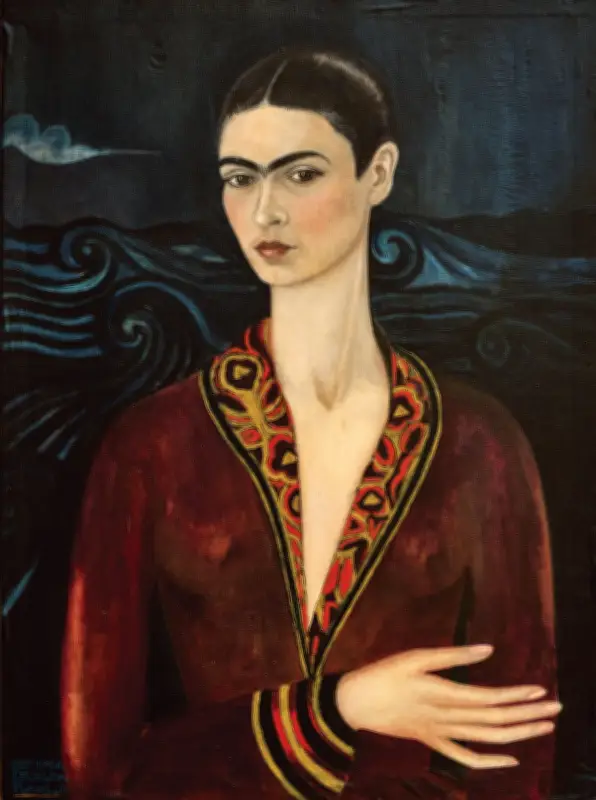
Kahlo's self-portraits are unmatched in their psychological and physical revelation. In Memory (The Heart) (1937), she stands calmly as a sword pierces her chest, with her disembodied arms reappearing in floating outfits. Her depictions of the 1925 bus crash that left her severely injured are primal and shocking: a 1926 drawing shows flattened bodies and herself bandaged, while another work restages the accident with a toy cart. A surgical corset in a glass case, painted with a hammer and sickle over her breasts and a foetus over her abdomen, underscores her raw honesty.
Icon Status Over Art
The exhibition argues that Kahlo's fame has made borrowing her works difficult, as collectors like Madonna refuse to share. To compensate, curators include works by Diego Rivera, Olga Costa, and Maria Izquierdo, but these pale in comparison. Later homages, such as comic-book versions by Río Yañez and Yasumasa Morimura's prosthetic-laden reenactment, are deemed "egregious trash" by critics. The show's focus on Kahlo as a "plastic icon" risks losing the real person behind the art.

A Triumphant Return
Despite the padding, Kahlo's 1951 Self-Portrait with Dr Farill steals the show, depicting her in a wheelchair, painting a doctor who resembles a Soviet leader. The exhibition's placement near Tracey Emin's A Second Life highlights how Kahlo's life-art fusion resonates with contemporary artists. Yet, as one critic notes, "They deserve to be hypnotised by Kahlo too, but I don't think they will be when her magic is diluted by so much dross."
Frida: The Making of an Icon is at Tate Modern, London, from Thursday.