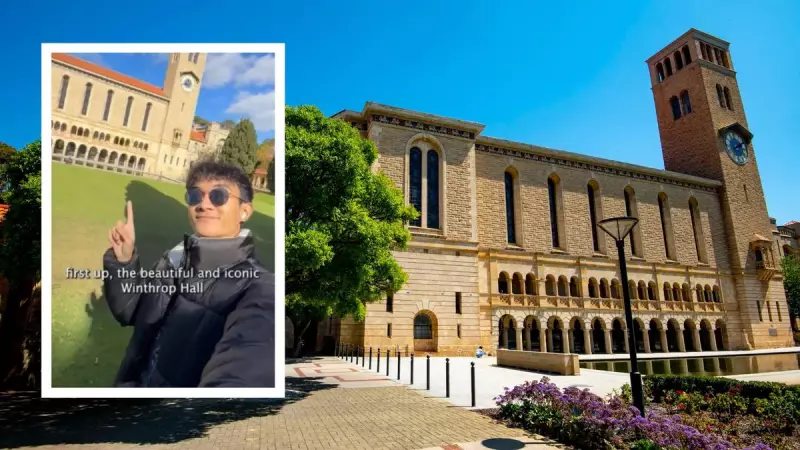
The University of Western Australia (UWA) is launching a new strategy to refresh its public image, directly tackling a long-standing perception of being an elitist institution. The university has begun collaborating with its own students, hiring them as paid content creators to promote campus life and academic opportunities through social media channels.
Shifting the Narrative Through Student Voices
This initiative marks a significant shift in how UWA communicates with prospective students. Instead of relying solely on traditional marketing, the university is empowering current students to share authentic experiences. The program officially started in 2024, with the university's marketing team selecting and compensating students to produce content for platforms like Instagram and TikTok.
The move comes after internal and external feedback highlighted that UWA's prestigious reputation was sometimes viewed as intimidating or inaccessible. By showcasing real student stories—from campus events and club activities to study sessions and life in Perth—the university aims to present a more relatable and vibrant picture of university life.

A Strategic Response to Market Perceptions
UWA's decision is a direct response to the competitive landscape of higher education. Universities across Australia are increasingly vying for student attention in the digital space. The content created by these students forms part of UWA's broader "brand refresh", an effort to modernise its appeal without diminishing its academic standing.
The strategy involves a careful balance. The university provides broad creative direction to ensure brand consistency, but allows the student creators significant freedom in how they present their daily lives. This approach is designed to generate trust and credibility with Gen Z audiences, who often value peer recommendations over official advertising.
Investing in Authentic Representation
By financially compensating the student creators, UWA acknowledges the value of their work and influence. This professional approach sets the program apart from simple volunteer ambassador schemes. The students involved come from diverse faculties and backgrounds, helping to dismantle the monolithic image of a sandstone university.
Early indications suggest the content is resonating well, particularly with younger demographics who engage with university life through dynamic, short-form video. The focus is on highlighting community, support, and student success across all disciplines, from sciences and humanities to professional courses.
The success of this initiative will be closely monitored through engagement metrics and enrolment data. UWA's experiment represents a broader trend in institutional marketing, where authenticity and peer-led storytelling become key tools for connection in the digital age.