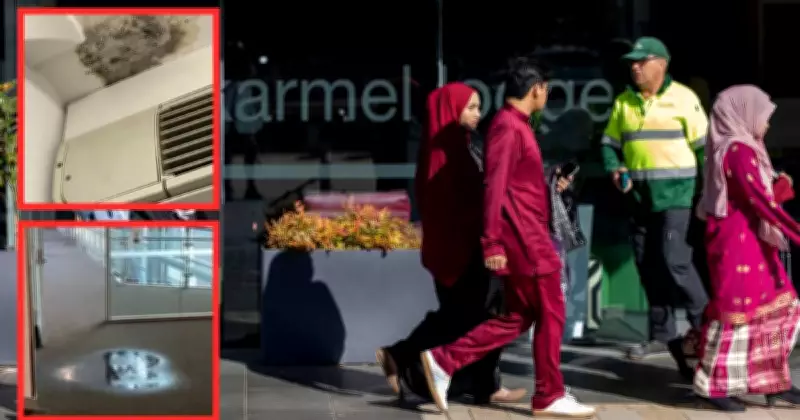
ANU's Lena Karmel Lodge Infested with Toxic Black Mould, Students Report Health Issues
Students residing at the Australian National University's (ANU) Lena Karmel Lodge have raised alarming concerns over a widespread infestation of toxic black mould within the accommodation facility. This distressing situation has reportedly led to significant health problems among residents, sparking urgent calls for immediate remediation and improved living standards.
Health Impacts and Student Complaints
Numerous students have come forward detailing severe health symptoms they attribute directly to the mould presence. Reports include persistent respiratory issues such as coughing, wheezing, and shortness of breath, alongside skin irritations, headaches, and fatigue. The mould, identified as Stachybotrys chartarum—commonly known as black mould—produces mycotoxins that can be harmful when inhaled or through skin contact, particularly for individuals with allergies or compromised immune systems.
One student described the conditions as "unlivable," noting visible mould growth on walls, ceilings, and in bathrooms, often accompanied by a musty odour permeating the rooms. Another resident highlighted that despite repeated complaints to both the lodge management and university authorities, the response has been slow and inadequate, leaving many feeling neglected and unsafe in their own homes.

University and Management Response
In response to mounting pressure, ANU has acknowledged the issue, stating that they are working collaboratively with Unilodge, the operator of Lena Karmel Lodge, to address the mould problem. A university spokesperson emphasized their commitment to student welfare, mentioning that inspections are underway and remediation plans are being developed. However, students express frustration over the perceived lack of urgency, with some noting that temporary fixes have failed to resolve the underlying moisture and ventilation issues contributing to mould growth.
Unilodge has also issued a statement, assuring that they are taking the matter seriously and are implementing measures to clean affected areas and prevent future occurrences. This includes increased ventilation checks, humidity control, and professional mould removal services. Despite these assurances, residents remain skeptical, citing past experiences where similar promises did not lead to lasting solutions.
Broader Implications for Student Accommodation
This incident at Lena Karmel Lodge highlights broader concerns regarding the quality and safety of student accommodation across Australia. With rising enrolments and high demand for housing, there is growing scrutiny on whether universities and private operators are maintaining adequate standards to protect student health. Experts warn that mould infestations, if left unchecked, can lead to long-term health complications and structural damage to buildings.
Advocacy groups are calling for stricter regulations and regular independent inspections of student housing to ensure compliance with health and safety codes. They argue that students, often living away from home for the first time, deserve secure and healthy living environments that support their academic pursuits rather than hinder them through preventable health hazards.
As the situation unfolds, affected students are banding together to demand more transparent communication and swift action from both ANU and Unilodge. They hope that by bringing this issue to light, it will prompt systemic changes that benefit not only current residents but also future generations of students seeking safe accommodation.