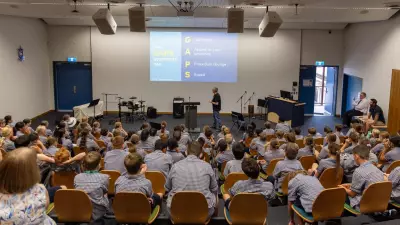
Teachers Union to Vote on Strike Action Over Unresolved Pay and Conditions Claims
The Australian Education Union (AEU) has announced that its members will soon vote on whether to take industrial action, including a potential strike, after the union declared that key claims regarding pay and working conditions have been left unanswered by the government. This move comes amid ongoing negotiations that have failed to yield satisfactory outcomes for educators across the country.
Background of the Dispute
For months, the AEU has been in discussions with federal and state governments, advocating for improved salaries, reduced workloads, and better support for teachers in public schools. The union argues that these issues are critical to addressing teacher shortages and enhancing educational outcomes for students. However, according to union representatives, the government's responses have been inadequate, leading to frustration among members.
The union has highlighted that without meaningful progress, teachers are facing unsustainable pressures, which could impact the quality of education. Key demands include a significant pay rise to reflect the increasing cost of living and the demanding nature of the profession, as well as measures to cut administrative burdens that detract from teaching time.

Implications of a Potential Strike
If the strike vote passes, it could result in widespread school closures or disruptions, affecting thousands of students and families. The AEU has emphasized that such action would be a last resort, taken only after exhausting all other avenues for negotiation. This situation underscores the growing tensions in the education sector, where teachers feel undervalued and overworked.
Previous strikes in the education sector have drawn public attention to similar issues, often leading to renewed talks and temporary resolutions. However, the current standoff suggests a deeper impasse, with the union pushing for long-term solutions rather than short-term fixes.
Government and Public Response
The government has acknowledged the concerns raised by the AEU but has urged caution, stating that it is committed to finding a balanced solution that considers budgetary constraints. Officials have pointed to recent investments in education funding and initiatives aimed at supporting teachers, but the union contends that these efforts fall short of addressing core grievances.
Public opinion on teacher strikes is often mixed, with many parents expressing sympathy for educators' demands while worrying about the impact on children's learning. Community groups have called for both sides to return to the negotiating table to avoid disruptions, highlighting the importance of stability in schools.
Next Steps and Timeline
The AEU plans to conduct the strike vote in the coming weeks, with results expected to guide future actions. Depending on the outcome, the union may proceed with coordinated strikes or other forms of industrial action, such as work-to-rule campaigns. Educators are being encouraged to participate in the vote to ensure their voices are heard.
This development is part of a broader trend of industrial unrest in Australia, as various sectors grapple with inflation and workforce challenges. In education, the stakes are particularly high, given the direct impact on students and the future of the profession.
As the situation unfolds, stakeholders will be closely monitoring negotiations, hoping for a resolution that supports both teachers and the educational system. The outcome of this vote could set a precedent for how similar disputes are handled in the future, making it a critical moment for Australian education.