WA Survey Reveals Girls Are Being Driven Out of Outdoor Recreational Spaces
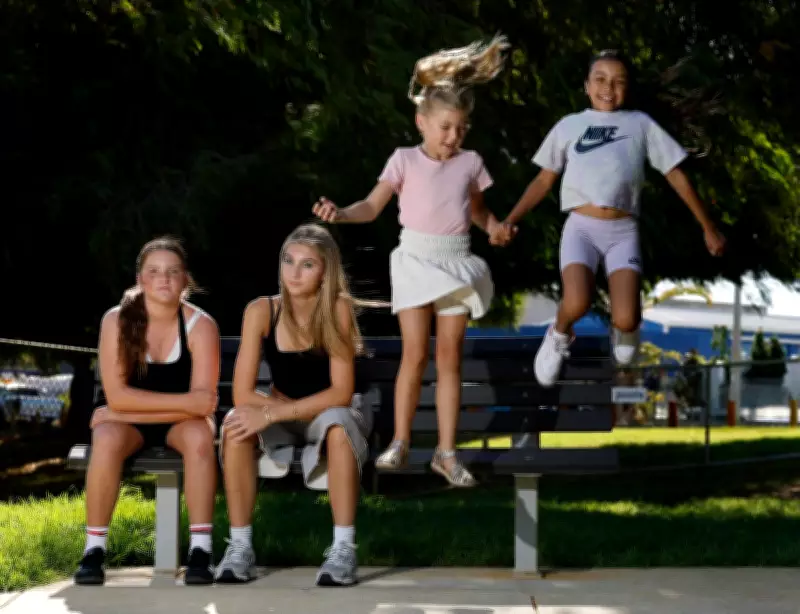
A recent survey conducted in Western Australia has uncovered a troubling trend: girls are being systematically driven out of recreational outdoor spaces, limiting their access to nature play. The findings highlight significant gender disparities in how public areas are used and perceived, with implications for health, development, and social equity.
Key Findings from the Nature Play WA Survey
The survey, led by Nature Play WA, gathered data from various communities across the state. It revealed that girls face numerous barriers when trying to engage in outdoor activities. These obstacles include safety concerns, lack of inclusive facilities, and social pressures that discourage their participation in traditionally male-dominated spaces.
Safety and accessibility issues were cited as primary factors. Many girls reported feeling unsafe in parks and other recreational areas, often due to inadequate lighting, poor maintenance, or the presence of older boys and men who dominate these spaces. This sense of insecurity leads to reduced usage and a gradual withdrawal from outdoor play.

Impact on Health and Development
The exclusion of girls from outdoor recreational spaces has serious consequences for their physical and mental well-being. Nature play is crucial for developing motor skills, fostering creativity, and promoting mental health through stress reduction and connection with the environment.
Without regular access to these areas, girls may miss out on essential developmental benefits, potentially leading to higher rates of sedentary behavior and associated health issues like obesity and anxiety. The survey underscores the need for targeted interventions to ensure all children can enjoy the outdoors equally.
Social and Cultural Factors at Play
Beyond physical barriers, the survey identified social and cultural influences that contribute to this disparity. Gender stereotypes often dictate which activities are deemed appropriate for girls, steering them away from adventurous or unstructured outdoor play. Additionally, parental concerns about safety can further restrict girls' freedom to explore recreational spaces independently.
- Lack of female role models in outdoor settings
- Insufficient programming tailored to girls' interests
- Community attitudes that prioritize boys' use of public areas
Recommendations for Improvement
To address these issues, the survey proposes several strategies. Creating more inclusive and safe outdoor environments is a priority. This could involve better design of parks, increased supervision, and community programs that actively encourage girls' participation.
- Enhance safety measures in recreational areas
- Develop gender-sensitive outdoor programs
- Promote awareness campaigns to challenge stereotypes
By implementing these changes, Western Australia can work towards a future where all children, regardless of gender, have equal opportunities to benefit from nature play. The survey serves as a call to action for policymakers, community leaders, and families to prioritize inclusivity in outdoor recreational planning.