Boutique Boys' Schools Experience Significant Rise in Family Enrolments
Across Australia, a growing number of families are selecting boutique boys' schools for their children's education, marking a notable shift in private school preferences. This trend reflects a desire for more personalised and focused learning environments compared to larger, traditional institutions.
Key Factors Driving the Shift Towards Boutique Education
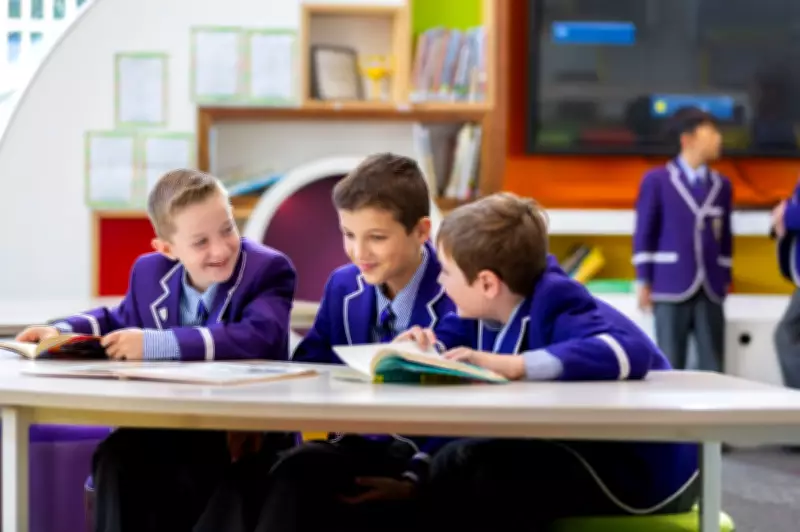
Several compelling reasons explain why parents are increasingly drawn to these smaller, specialised schools. Personalised attention stands out as a primary motivator, with boutique schools typically offering smaller class sizes that allow teachers to tailor instruction to individual student needs. This approach fosters stronger teacher-student relationships and can lead to improved academic outcomes.
Additionally, these institutions often provide tailored programs that cater specifically to boys' learning styles and interests. From specialised sports and arts offerings to targeted academic support, boutique boys' schools design their curricula to engage male students effectively, addressing unique developmental and educational challenges.

Benefits and Considerations for Families
Families report numerous advantages when choosing boutique boys' schools. The intimate school community promotes a sense of belonging and reduces instances of bullying, creating a safer and more supportive atmosphere. Moreover, the focused environment can enhance student confidence and leadership skills, as boys have more opportunities to participate in activities and take on responsibilities.
However, it is important to note that boutique schools may have higher tuition fees and limited extracurricular options compared to larger schools. Parents should carefully evaluate factors such as location, cost, and specific educational philosophies to ensure the best fit for their child.
Future Outlook for Boutique Boys' Education
As demand continues to grow, boutique boys' schools are likely to expand their offerings and innovate further. This trend aligns with broader movements in education towards customisation and student-centred learning, suggesting that boutique models could influence mainstream educational practices in the coming years.