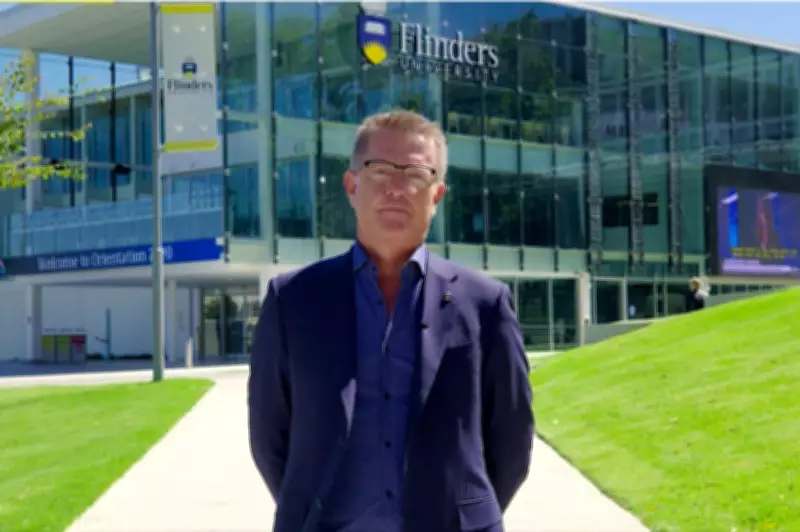
Flinders University Chief Labels International Students a 'Political Hot Potato'
As thousands of students return to Flinders University campus today, Vice-Chancellor Colin Stirling has made a striking revelation in an exclusive interview with InDaily. Stirling disclosed that hundreds of international student visa applications were not processed in recent years, highlighting what he describes as a growing political and regulatory challenge for Australian universities.
Regulatory Burdens on the Rise
In the interview, Stirling emphasized that regulatory burdens on universities are increasing significantly. He pointed to the backlog in visa processing as a clear example of how these pressures are impacting the higher education sector. The Vice-Chancellor's comments come at a critical time, with the university welcoming back its student body amid ongoing debates about international education policy.
Stirling stated, "International students have become a political hot potato, caught in the crossfire of complex visa regulations and shifting government priorities." This characterization underscores the volatile nature of the issue, which affects not only Flinders University but institutions nationwide.

Impact on University Operations
The failure to process hundreds of visa applications has direct consequences for Flinders University. Potential students from overseas face delays and uncertainties, which can deter enrollment and disrupt academic planning. Stirling noted that this situation adds to the administrative load on universities, forcing them to navigate an increasingly cumbersome regulatory landscape.
- Hundreds of international visa applications left unprocessed in recent years.
- Increasing regulatory burdens complicating university operations.
- Potential negative effects on student recruitment and institutional stability.
This issue is part of a broader trend where universities are grappling with tighter controls and heightened scrutiny from government bodies. Stirling's interview sheds light on the practical challenges faced by educational leaders in managing these dynamics.
Broader Implications for Australian Higher Education
The revelations from Flinders University's Vice-Chancellor highlight a critical concern for the entire Australian higher education sector. International students contribute significantly to the economy and cultural diversity, but their status is often subject to political fluctuations. Stirling's remarks suggest that without streamlined processes and clearer policies, universities may struggle to maintain their global competitiveness.
As the academic year progresses, stakeholders will be watching closely to see how these regulatory issues unfold. The call for more efficient visa processing and reduced bureaucratic hurdles is likely to gain momentum, driven by insights from leaders like Colin Stirling.