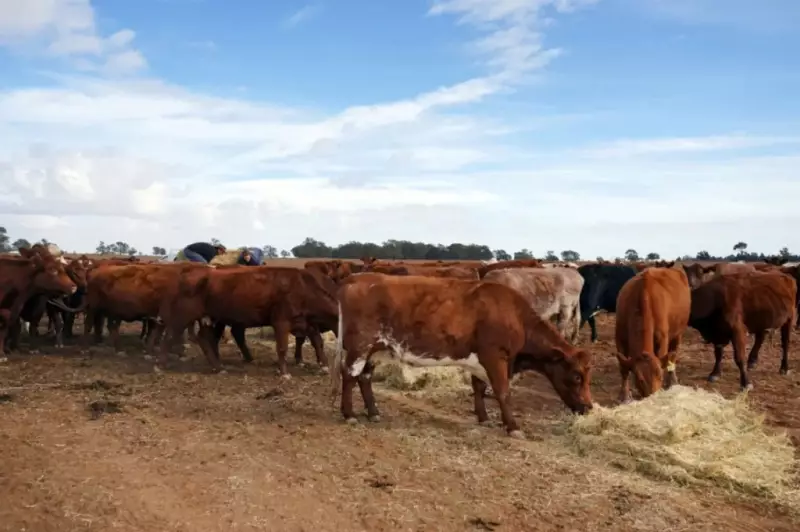
The recent imposition of tariffs on Australian beef by China has sparked fresh debate about the stability of the crucial economic relationship between the two nations. However, a leading academic suggests the fundamental strength of the trade partnership is likely to endure.
A Resilient Trade Relationship
According to Professor James Laurenceson from the University of Technology Sydney (UTS), China's ongoing desire to purchase the very goods Australia excels at producing provides a strong buffer. There is little reason to believe China's status as Australia's most important economic partner will diminish in the foreseeable future, he argues. This perspective, published in The Conversation on January 9, 2026, views the current situation as a case study in the resilience of bilateral trade.
Beef as the Latest Flashpoint
The new tariffs on Australian beef are seen by many analysts as the latest test in a complex trading dynamic. Professor Laurenceson posits that this development is a safe bet to become just another example of how the commercial ties between Australia and China can withstand political and economic pressures. The core of his argument rests on complementary economies: China needs high-quality agricultural and resource products, and Australia is a premier supplier.

The Foundation of Future Prosperity
The significance of the Chinese market for Australian local prosperity cannot be overstated. From iron ore and liquefied natural gas to education services and agricultural products like beef, China remains a dominant export destination. This deep interdependence, built over decades, creates a powerful incentive for both sides to navigate disputes and maintain the overall flow of trade. The professor's analysis implies that while individual sectors may face temporary hurdles, the broader economic partnership is built on a foundation that is difficult to dismantle.
Ultimately, the episode highlights the delicate balance in the Australia-China relationship, where strategic competition coexists with deep economic integration. The coming months will be crucial in observing whether the beef tariffs lead to a more significant downturn or if, as predicted, the fundamental forces of supply and demand keep the trade relationship firmly on track.