A major national car club has been forced to abandon plans to bring a significant event to Wollongong, with organisers citing a severe and costly shortage of hotel accommodation in the city.
Event Scrapped Due to "Crazy" Hotel Prices
The club, which was scouting locations for a national meeting expected to attract around 200 enthusiasts next year, considered Wollongong but found the options both limited and prohibitively expensive. The event's organiser, an Illawarra resident named Craig who asked for his surname to be withheld, said there were effectively only two viable accommodation options in the city.
The quoted prices were "just crazy", at over $1200 per room for a three-night stay during an off-peak period. This forced the club to choose an alternative location elsewhere in New South Wales, taking potential visitor spending out of the local economy.

"It was disappointing that we couldn't bring something to the Illawarra," Craig said.
A Systemic Problem for Wollongong's Economy
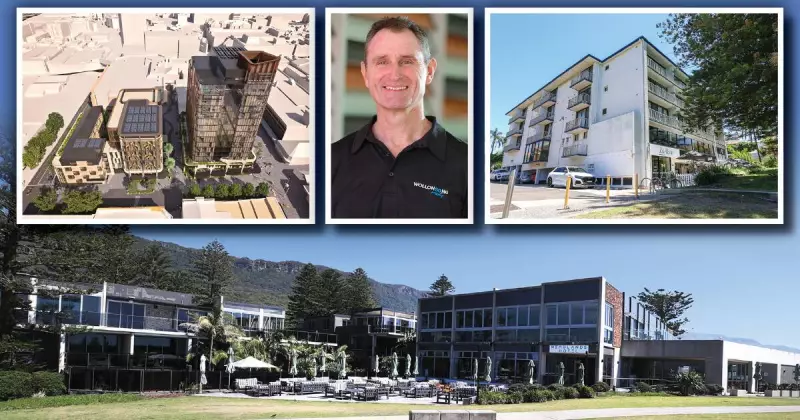
This incident is symptomatic of a long-standing accommodation shortage in Wollongong, a problem recently underscored by the proposal to demolish the Boat Harbour Motel for units and the near year-long temporary closure of the Headlands Hotel accommodation in Austinmer.
Destination Wollongong general manager Jeremy Wilshire confirmed the city's hotel capacity is "quite tight". Occupancy sits at a high 72%, with an average room rate of $265 plus GST – figures that are notably elevated for a regional centre. Currently, there are only 1884 short-term accommodation rooms available in the local government area.
Mr Wilshire warned that without a suitable inventory of hotel rooms, the city's ability to host major events and service corporate travel for key industries like healthcare, mining, and IT is being directly compromised.
Council Takes Action to Stimulate Development
Wollongong City Council has acknowledged the crisis and begun implementing measures to stimulate hotel construction. Following the adoption of a new tourism accommodation strategy in February 2025, the council has taken two significant practical steps.
Firstly, it unanimously backed a proposal to allow the planned Globe hotel development in the CBD to be built two storeys higher than current height limits. This staged development is expected to eventually deliver more than 430 rooms across three- and five-star accommodation.
Secondly, and crucially, the council voted 10-3 in November to lower the contributions levy for hotel developers from 2% to 1%. This incentive is designed specifically to attract more investment into the sector.
"Now that's a very practical and necessary step to help stimulate that sector," Mr Wilshire said.
These two CBD projects – The Grand with 166 rooms and The Globe with 434 – are in the pipeline, but Mr Wilshire noted the long lead times in hotel construction, involving approvals, market forces, and industry challenges.
Destination Wollongong, in partnership with the council, has also commissioned a hotel demand study, with its first report due soon. Mr Wilshire hopes it will identify further measures the city can adopt.
He also stressed that growing the city's attractions – such as the potential Port Kembla cruise terminal, WIN Entertainment Centre upgrades, and opportunities from Western Sydney International Airport – must progress in parallel with increasing hotel supply to sustainably grow the visitor economy.