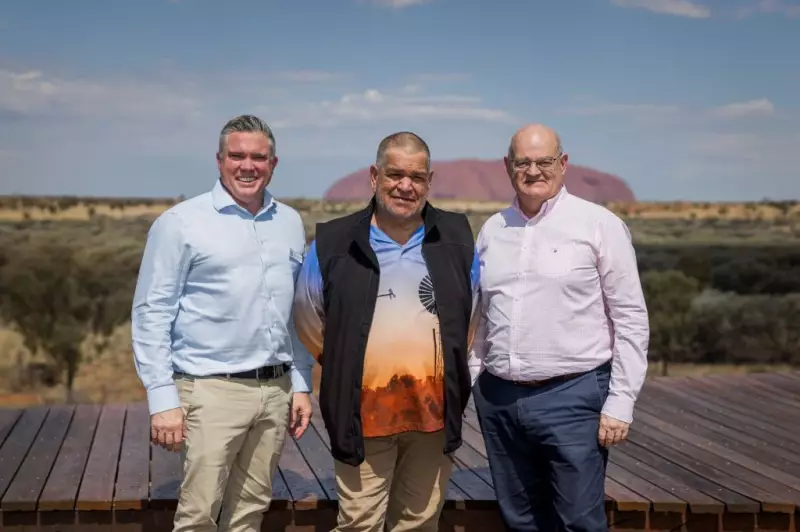
A groundbreaking agreement between a major Australian tourism operator and the Federal Government is set to return significant tracts of land to Traditional Owners while delivering an unprecedented financial settlement.
Details of the Landmark Agreement
The deal, announced on December 5, 2025, involves South Australian travel company Journey Beyond and the Commonwealth. It will result in the transfer of huge parcels of land back to the custodianship of Indigenous communities. Furthermore, the agreement stipulates rental payments totalling half a billion dollars to be paid to the Traditional Owners.
Key figures involved in the historic arrangement include Matt Cameron Smith, the CEO of Voyages, Leroy Lester in his role as Chair of the Yulara Anangu Corporation, and Chris Tallent, the Chief Executive Officer of Journey Beyond. The agreement represents a unique model for collaboration between the tourism industry and Indigenous groups.

A New Model for Tourism and Reconciliation
This is not merely a property transaction. The deal establishes a framework where commercial tourism operations actively contribute to economic empowerment and cultural recognition. The substantial rental income, secured over the long term, provides a stable financial foundation for the involved Indigenous corporations.
The return of land itself is a powerful act of reconciliation, acknowledging deep historical and spiritual connections to Country. It allows Traditional Owners to have greater control over how their land is used and presented to visitors from around the world.
Implications and Future Outlook
The consequences of this agreement are far-reaching. For the tourism sector in South Australia and beyond, it sets a powerful precedent for ethical and partnership-based development. It demonstrates how businesses can operate successfully while fulfilling social and cultural responsibilities.
For the Federal Government, it marks a significant step in addressing historical dispossession through innovative, market-based solutions. The success of this model will likely be closely watched, potentially paving the way for similar agreements in other regions and industries across Australia.
This deal ultimately reframes the relationship between commercial enterprise and Indigenous land rights, creating a tangible pathway for shared prosperity and respect.