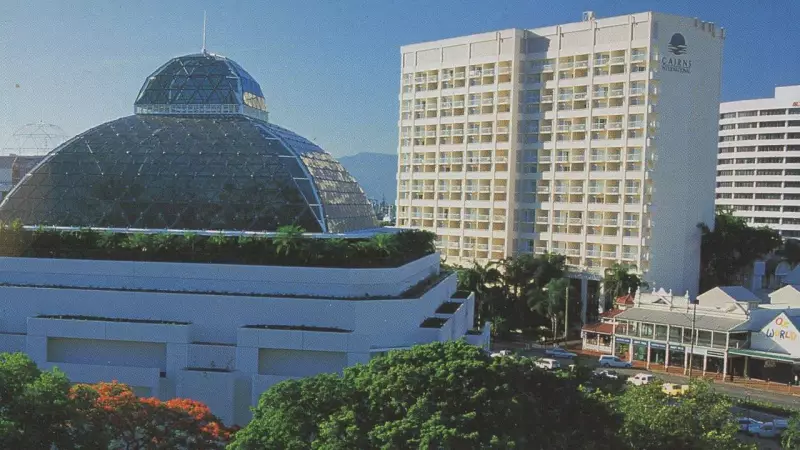
A fierce and confidential battle has been playing out behind the scenes in Far North Queensland, centred on a radical proposal to rename one of the world's most iconic natural wonders and its gateway city. The push to rebrand Cairns and the Great Barrier Reef was driven by a desire to supercharge international tourism but sparked deep division among local leaders and stakeholders.
The Proposal That Divided a Region
At the heart of the controversy was a bold strategy developed by the region's peak tourism body, Tourism Tropical North Queensland (TTNQ). Frustrated by what they saw as Cairns being overlooked on the global stage, marketers proposed a dramatic shift. The plan involved renaming the city to 'Cairns, Great Barrier Reef' and, even more audaciously, rebranding the reef itself to 'the Great Barrier Reef, Australia'.
This initiative was not a fleeting idea. It was a core part of TTNQ's 2020-2024 Strategic Tourism Plan, a document approved by the Cairns Regional Council. The rationale was clear: international research and focus groups indicated that while the Great Barrier Reef had immense name recognition, Cairns did not. Potential visitors knew they wanted to see the reef but were unsure how to get there. The proposed names were intended to inextricably link the two, ensuring Cairns captured the value of its proximity to the World Heritage site.

The rebranding effort went beyond mere slogans. TTNQ had already begun implementing the change in some international markets, particularly in key regions like China. However, this move was made without broad consultation, a decision that would later fuel significant backlash.
Backlash and the Battle Over Branding
Resistance to the plan was swift and formidable. The Great Barrier Reef Marine Park Authority (GBRMPA), the federal government agency responsible for protecting the reef, emerged as a major opponent. GBRMPA's chairman, Dr Russell Reichelt, expressed strong objections, arguing that the reef's name was "a strong brand in its own right" that should not be altered for marketing purposes.
The opposition extended to local political figures. Cairns-based Federal MP Warren Entsch became a vocal critic, labelling the idea "absolute nonsense" and accusing TTNQ of attempting to change the name "by stealth." He emphasised that the Great Barrier Reef was a national and global icon, not an asset to be leveraged for the benefit of one specific region's tourism campaign. Entsch threatened to use his political influence to challenge TTNQ's federal funding if the rebranding continued.
Facing this mounting pressure, TTNQ was forced to retreat. The organisation's then-CEO, Mark Olsen, confirmed in late 2019 that the push to formally rename the reef had been abandoned. The focus shifted instead to promoting the connection between the existing names, using phrases like "Cairns & Great Barrier Reef".
Legacy and the Ongoing Quest for Recognition
While the direct renaming campaign failed, the episode highlighted a persistent and critical challenge for the Cairns region. Tourism operators and business leaders consistently report that a lack of direct international flights and global brand awareness for Cairns itself continues to hamper growth. The city is often bypassed for better-known Australian gateways like Sydney and Brisbane.
The controversy also exposed a rift in philosophy. On one side were tourism marketers advocating for aggressive, business-driven strategies to capture market share. On the other were conservation authorities and some community leaders who viewed the reef first and foremost as a protected environmental asset, not a commercial product.
Today, the discussion continues, albeit in a different form. The current strategy revolves around strengthening the associative link between the two brands rather than forcibly merging them. The debate serves as a powerful case study in destination marketing, balancing commercial ambition with the stewardship of a universally treasured natural wonder. The core question remains: how does Cairns secure its place on the world tourist map while honouring the global icon that sits on its doorstep?
The fight over the names may be over, but the battle for Cairns' tourism future is very much alive.