The iconic south coast destinations of Greens Pool and Elephant Rocks are experiencing a massive and sustained surge in visitors, leading park authorities to issue a strong plea for responsible tourism to protect the fragile environment.
Record-Breaking Numbers Strain Pristine Beaches
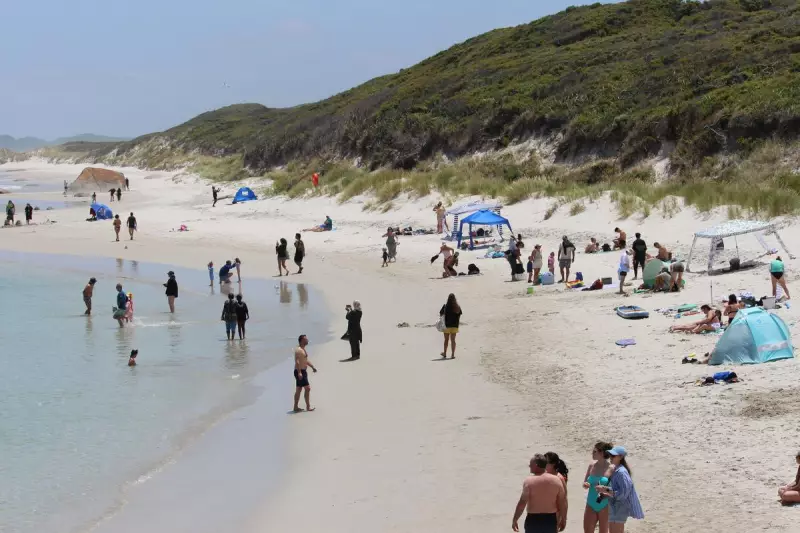
Nestled within William Bay National Park near Denmark, the famous beaches known for their calm, turquoise waters have been inundated throughout the peak summer holiday season. Carparks have consistently overflowed, and crowds have filled the sandy shores, mirroring a region-wide influx across the Great Southern.
Peter Masters, the Department of Biodiversity, Conservation and Attractions' (DBCA) regional leader of parks and visitor services, revealed the staggering statistics. In the 2024-25 financial year, William Bay National Park welcomed approximately 619,000 visitors. The numbers peaked last January, averaging 3,700 people and over 700 cars per day.

"Comparing the last two years, that’s an increase of about 100,000 visitors a year," Mr Masters stated, highlighting a clear and rapid upward trend.
Regional Tourism Boom and Environmental Pressure
The phenomenon is not isolated to William Bay. Other celebrated south coast spots are seeing similar pressures. The Two Peoples Bay Nature Reserve, home to the stunning Little Beach, recorded more than 80,000 visits in 2024-25, an 11 per cent jump from the year before.
Meanwhile, Torndirrup National Park, which boasts Misery Beach (named Tourism Australia's Best Beach of 2022), also experienced a significant ten per cent rise in visitation.
This increased traffic has led to tangible environmental damage. Mr Masters reported that visitors, struggling to find parking, have driven onto and parked on top of vulnerable vegetation at the edges of roads. "We try to encourage people not to get on the vegetation because of the damage to the environment," he emphasised.
Infrastructure Upgrades and Visitor Guidelines
In response, the DBCA has implemented several infrastructure upgrades and traffic management measures at William Bay National Park to improve safety and limit ecological harm. These include the installation of bollards and poles to prevent vehicles from mounting footpaths and damaging plants.
"There are walk paths and safety footpaths free from traffic, there are crossings so adults and kids can cross one side of the road to the other," Mr Masters explained, outlining the improvements designed to separate pedestrians from vehicles.
With the summer season in full swing, the DBCA's message to the public is clear: plan ahead, arrive early, and strictly follow park guidelines. The core request is for all visitors to respect the natural surroundings by keeping vehicles on designated surfaces and staying on marked paths to ensure these renowned coastal gems can be preserved for future generations to enjoy.