A trip to France is hardly a punishment, but navigating the Provencal summer heat can test even the most ardent traveller. For one group touring in June, the mercury climbing towards 40 degrees Celsius transformed sightseeing into a formidable challenge, especially for members in their 60s and 70s.
A Refreshing Dive into Digital Masterpieces
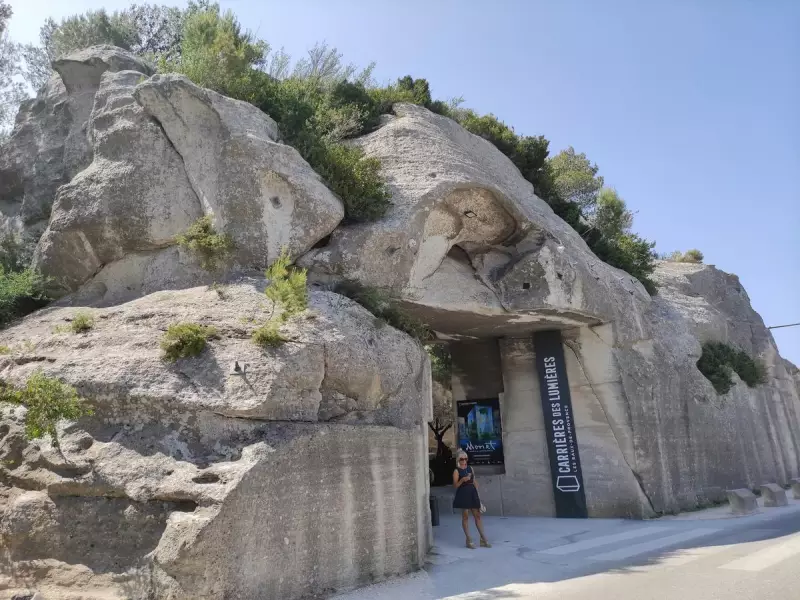
Salvation arrived in the form of Carrieres des Lumieres (Quarries of Light), a stunning digital art attraction housed within a cool, abandoned limestone quarry in the Val d'Enfer. Stepping inside the vast, 7000-square-metre chambers offered immediate respite from the scorching sun, with temperatures comfortable enough for just a T-shirt.
Here, the rugged limestone walls become a dynamic canvas. Accompanied by a stirring instrumental soundtrack, visitors are enveloped by enormous, swirling projections of iconic art. The current headline act features the Impressionist works of Claude Monet. His water lilies, the cliffs of Etretat, Parisian streets, and Venetian canals dance across the quarry's surfaces in a breathtaking spectacle.

This is followed by an equally mesmerising display dedicated to the dreamlike paintings of French post-Impressionist Henri Rousseau. Both exhibitions are scheduled to run until February 1, 2026, with new shows planned for later in the year.
From Industrial Site to Artistic Canvas
The quarry itself has a rich history. It ceased operations in the 1930s as concrete and steel replaced stone in construction. Its potential was later unlocked by Czech stage designer Joseph Svoboda, who envisioned it as a perfect venue for sound and light performances. The site's dramatic atmosphere also attracted filmmaker Jean Cocteau, who shot his final movie, "The Testament of Orpheus," here in 1960.
Operated by Culturespaces—the same group behind immersive art venues in Paris, New York, and Tokyo—the Carrieres has been a major cultural draw since its 2012 opening.
Exploring the Historic Perched Village of Les Baux
A short coach ride from the quarry lies the destination's namesake: Les Baux-de-Provence. This classic Provencal "perched village" clings to a rocky hillside in the Alpilles mountains at an altitude of 240 metres. The group wisely dispersed upon arrival, seeking shade in its cobbled lanes, quaint cafes, and craft stores.
A stroll through the village reveals its unique legacy. A prominent red slab of rock on display isn't modern art, but bauxite—the mineral crucial for aluminium production, which derives its name from this very village.
Crowning the settlement are the ruins of the Chateau des Baux-de-Provence, a medieval fortress that was once the power centre for the region-ruling House of Baux. Visitors can explore the ruins and wander the adjacent limestone plateau, which is dotted with contemporary sculptures and offers sweeping panoramas of the Provencal countryside—a picturesque patchwork of olive groves, vineyards, and lavender fields.
While the summer heat made hiking strenuous, the experience at the summit was invigorated by a strong, cooling wind, reminiscent of a Perth afternoon with the "Freo Doctor" blowing. The shoulder seasons of spring and autumn, or the mild winter, would be ideal for more active exploration.
For travellers, the lesson is clear: even in a heatwave, Provence's wonders are accessible with smart planning. The combination of cutting-edge immersive art in a naturally cool venue and the timeless, breezy heights of a historic village offers the perfect blueprint for a memorable—and comfortable—summer visit.