Situated in the north-central region of Argentina, Cordoba stands as the nation's second-largest city. Compared to Buenos Aires, it offers a sense of safety, tranquility, and a more relaxed atmosphere. Without delving into the city's own attractions—which deserve a separate story—it is worth noting that Cordoba enjoys an enviable location surrounded by valleys that radiate in every direction.
Westward to the Valleys
To the west, the Altas Cumbres mountain range separates the provincial capital from Traslasierras, a chain of towns that remain part of Cordoba Province and gradually transition into the neighboring province of San Luis.
Alta Gracia
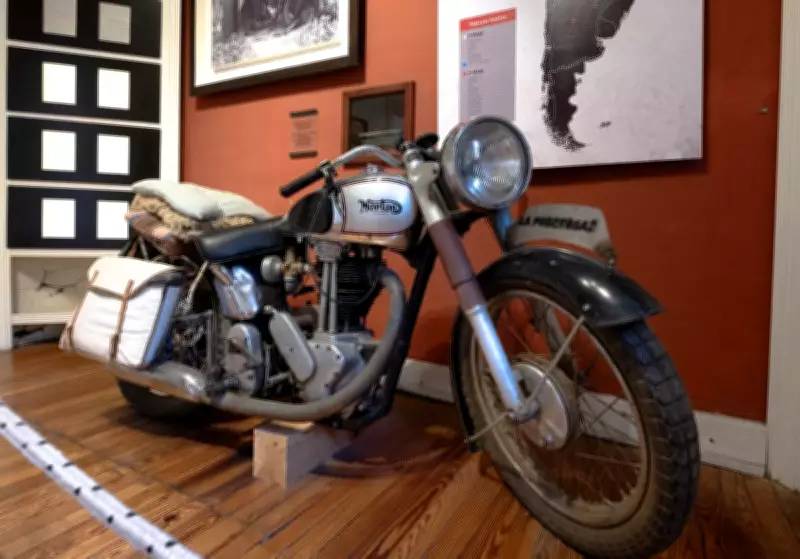
Regardless of one's political views, Alta Gracia, the principal town in the Paravachasca Valley, warrants a visit to Villa Nydia. This 1911 house now serves as the Casa de Ernesto Che Guevara Museum. Born in Rosario, the legendary revolutionary relocated to Alta Gracia with his family from 1935 to 1943, as the dry climate alleviated his severe asthma. Each room displays personal belongings of the young Che, with the highlight being a replica of his motorcycle, "La Poderosa," which he rode on the journeys chronicled in his Motorcycle Diaries. The replica sits beneath a map tracing his life's travels. Guided tours are available on weekdays at 9:30 am, 11:00 am, 3:30 pm, and 5:00 pm, and on weekends at 12:00 pm and 4:00 pm.

Capilla del Monte
Perched high in the northern Punilla Valley, northwest of Cordoba city, Capilla del Monte is renowned as Argentina's UFO capital, due to decades of sightings around its guardian peak, the 1,949-meter Cerro Uritorco. The UFO Reporting Centre Colombo Argentina hosts discussions on the subject, but most visitors come to relax at Dyke El Cajon, hike Uritorco, explore the red-rock formations of Los Terrones, or stroll along Diagonal Buenos Aires, the main street lined with bars, shops, and cafes. Even without summiting, Uritorco offers a cool experience: follow locals up the dramatic river creek on its southern side to three swimming pools. With at least half a day, embark on the 13.4-kilometer trail to Dyke Los Alazanes along the Calabalumba River.
La Cumbrecita
Located 40 kilometers west of Villa General Belgrano—home to the world's third-largest Oktoberfest—pedestrian-only La Cumbrecita was founded in 1934 by German settlers. They planted pines and transformed barren sierras into an alpine village of European mountain chalets. Buses stop at a swimming spot on Rio del Medio, where a metal bridge leads into the village. A main attraction is La Olla, a rock-enclosed swimming hole with a small waterfall. A 15-minute trail leads to Cascada Grande (Big Waterfall), winding through lush greenery to a stunning cascade. Don't miss Bosquecito Bajo, an immersive forest with benches, and the nearby Capilla Ecumenica church, built in 1962. The hike to the top of Cerro Wank, above the town, is the easiest among several outdoor activities, offering panoramic views stretching for kilometers—but start early or in the late afternoon to avoid intense heat.
Salsipuedes
The small town of Salsipuedes, meaning "leave if you can," has one of Argentina's most amusing names, but locals explain it refers to the area's irresistible natural beauty. This welcoming one-horse town lies near the stunning Reserva Hidrica Natural Parque La Quebrada and its own navigable dyke. La Lomita is an experiential hostel that organizes guided hikes and kayaking expeditions in both reserves, often concluding with asado dinners under the stars in the hostel's spacious garden. Volunteer programs are also available.

Cura Brochero
The small town of Villa Cura Brochero, practically a northwestern extension of the tourist magnet Mina Clavero, is a major pilgrimage center dedicated to Saint Jose Gabriel del Rosario Brochero, a national hero to the Cordobeses. Nicknamed the Gaucho Priest, Brochero rode muleback across remote sierras in a poncho and sombrero, aiding some of Argentina's most isolated communities. The town's focal point is Plaza Centenario, home to the adobe Iglesia Nuestra Senora del Transito, where the saint's remains lie behind glass. Observe the hundreds of plaques on the wall, some shaped like limbs and lungs, left by believers in gratitude for granted graces. Next door, the Museo Brocheriano, founded in 1957, offers guided visits daily at noon and from Friday to Sunday at 8:00 pm, providing access to the chapel where Brochero rests. About a kilometer southeast, the Parque Tematico Brochero Santo features ten stations recounting the saint's life through period furniture and statues.