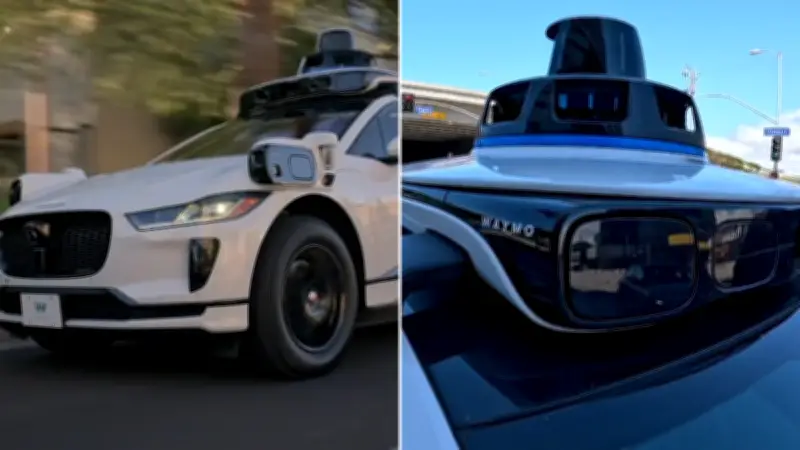
Once the realm of science fiction, driverless taxis have become a reality in several major American cities, and the pioneering company behind them is now eyeing expansion to Sydney. Waymo, the world's first fully autonomous ride-hailing service, launched in 2020 and now operates across 11 U.S. cities, completing over half a million trips each week.
How Waymo Works
Ordering a Waymo is as simple as booking an Uber through an app. Once inside, passengers have full control over the air conditioning, legroom, and music. The vehicles navigate using advanced cameras, sensors, and artificial intelligence, mapping their surroundings and responding in real time to traffic, pedestrians, and obstacles.
Passenger Reactions
In Los Angeles, riders have embraced the technology enthusiastically. One passenger noted, "I know they're going to obey all the rules of the road in a way that a human wouldn't." Another added, "I feel like without the human element, there's less mistakes happening."

Safety and Challenges
Despite its successes, the technology is not flawless. Waymo cars have driven into floodwaters and oncoming traffic, and one even blocked an ambulance responding to a mass shooting. However, experts argue that autonomous vehicles are generally safer. Dr. Michelle Zeibots, a transport expert at UTS, stated, "Self-driving vehicles are likely to see a reduction in road fatalities and accidents."
Expansion to Sydney
Waymo has expressed "global ambitions" and is in discussions with regulators worldwide, including in Australia. Reports indicate meetings with officials in Sydney. Transport for New South Wales confirmed it is "monitoring developments" but emphasized that "no decisions have been made." NSW Premier Chris Minns shared his personal view, saying, "That would be a good thing for Sydney," and claimed he would ride in one.
Waymo's arrival could transform urban mobility in Sydney, offering a new, efficient, and potentially safer transportation option. However, regulatory hurdles and public acceptance remain key factors in its potential rollout.