Business Hunter Advocates for Cessnock Passenger Rail Revival
The Hunter region's peak business organisation has thrown its support behind a campaign to reintroduce passenger train services to Cessnock, urging the New South Wales government to investigate the proposal's viability. This move comes as part of a pre-budget submission that highlights the potential benefits of reconnecting one of the state's fastest-growing population corridors.
Historical Context and Modern Opportunity
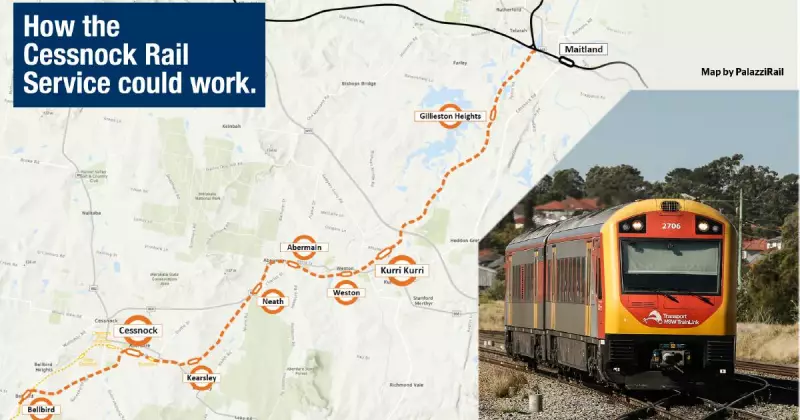
Passenger services on the line ceased in 1972, though the 30-kilometre rail corridor continued to be used by coal trains until 2020. According to research from the Train to Cessnock campaign, reviving passenger services could be achieved for less than $200 million, offering a cost-effective transport solution. The campaign estimates this investment would provide significant returns by addressing commuter needs in an expanding region.
Business Hunter has recommended that the state government allocate funding for a comprehensive scoping study. This study would assess the feasibility and advantages of upgrading the rail corridor for commuter services, linking workers in the Cessnock area with key employment hubs across the Hunter.

Executive Insight and Strategic Alignment
Business Hunter chief executive Bob Hawes emphasised that much of the foundational work is already complete, as the corridor has been preserved. "It just seems to make a lot of sense; it would be a relatively low entry point for the government to engage with the mining companies (Aurizon and Yancoal) that own the line," Hawes stated. He added, "There doesn't appear to be a lot of downside but there is certainly a lot of potential upside when you consider the growth that is occurring in the Maitland LGA towards Cessnock."
The proposal aligns with broader regional planning efforts. A 2023 petition, signed by almost 3000 people, was presented to Parliament, requesting the state government acquire the disused Maitland to Bellbird line for public transport use. Additionally, the 2024 Hunter Strategic Regional Integrated Transport Plan underscored the necessity of providing sustainable transport services to the Maitland-Cessnock corridor.
Population Growth and Future Projections
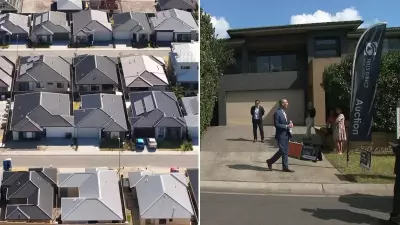
Demographic projections indicate explosive growth in the coming decades. Both the Maitland and Cessnock local government areas are expected to add another 50,000 residents each by 2041, bringing the combined population to more than 250,000. This surge heightens the urgency for improved transport infrastructure to support community resilience and connectivity.
The 2024 transport plan specifically highlighted the Cessnock Road growth corridor from Kurri Kurri to Maitland, noting the need for transport solutions that address growth while maintaining service reliability. Among its initiatives was a recommendation to preserve opportunities for reusing mining infrastructure, including the rail corridor between Maitland and Cessnock.
Government Response and Next Steps
A spokesman for the Minister for Regional Transport and Maitland MP Jenny Aitchison welcomed Business Hunter's submission, confirming it will be reviewed as part of the pre-budget process. "In October last year, the government released the final Hunter Strategic Integrated Transport Plan, delivering the region's first long-term transport blueprint in more than a decade and setting out a clear, evidence-based framework for future investment," the spokesman said.
"The government is committed to increasing public transport use in the Hunter, including rail. The final plan identified 49 priority actions across rail, roads, buses and freight, including further investigation into passenger rail between Maitland and Cessnock."
This endorsement from a key business group adds momentum to the campaign, positioning the rail revival as a strategic priority for regional development and sustainable transport in New South Wales.